Mix-and-match
Explore content in our extensive library and pull it together into your own Jewish ritual booklet that honors and recognizes whatever life has brought your way.
Share a ritual
Add your own original content as a clip to our extensive library - a poem, blessing, or something else entirely. Someone out there is looking for exactly what only you can create.
Support us
with your donation.
Help us build moments of meaning and connection through home-based Jewish rituals.
Featured ritual books
In Every Generation: A Haggadah Supplement for 5784
Preview

Mazon Hunger Seder 2020
Preview
MAZON Hunger Seder 2025
Preview

Mental Health Haggadah Supplement
Preview
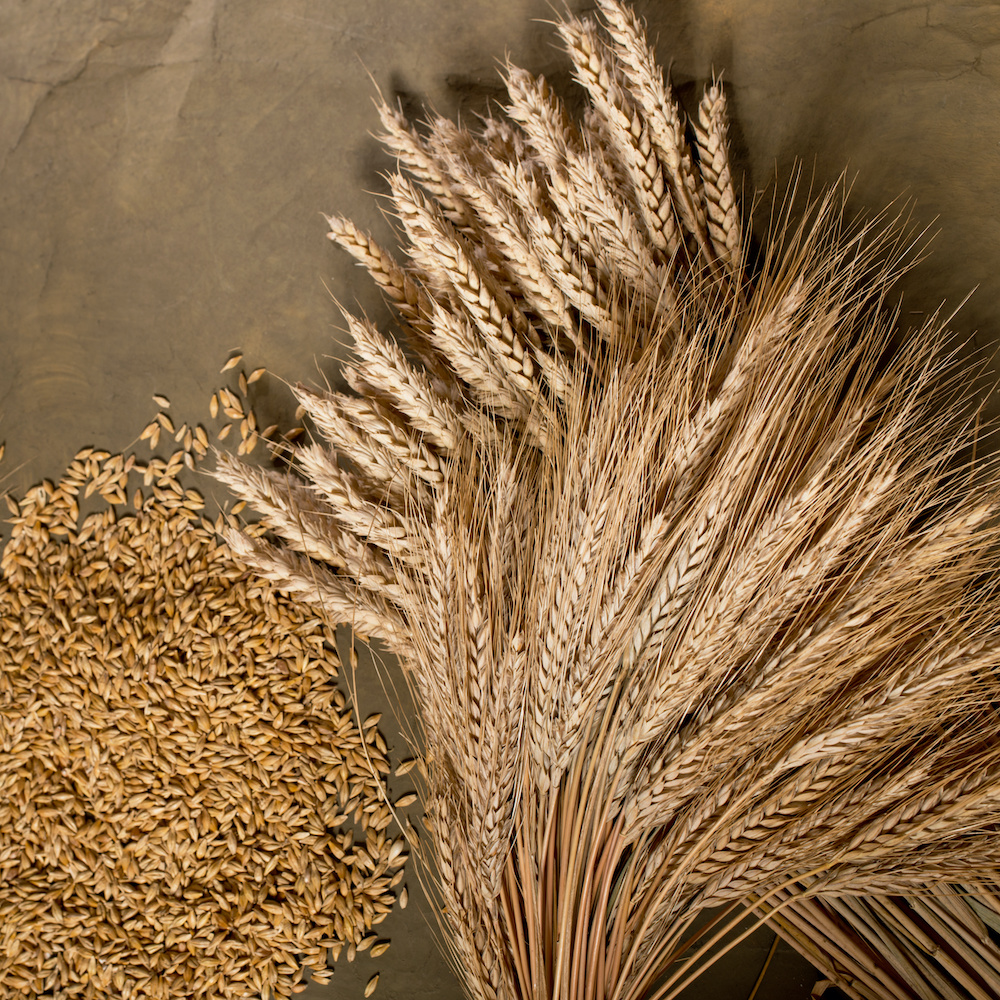
Counting the Omer: a Meditation Guide
Preview
showing
1-6
of
3874
Page
1
of
646
Featured clips
It is customary in the Jewish tradition to bless our children, and in the spirit of this ritual, we have created a prayer with these four children in mind.
Blessed are you, Holy Source of Wisdom, bless us so we may know, understand and accept our inner child. Guide us as we ask the questions to better understand ourselves and our world as we try to make sense of our emotions. Guide us as we try to find our place in a caring community, even when we resist those who want to help. Guide us to find the safe and brave spaces filled with people who can show us empathy. Guide us as we learn the language we need from those who model vulnerability. Blessed are you, Holy Source of Love, bless us so we may know, understand and accept the children among us. Help us to notice the message behind the questions others may ask, ensuring each person gets the help they need. Help us to create shame-free and stigma-free environments for each other, developing a culture of understanding. Help us to approach others with empathy so they can feel safe. Help us to offer support to those who may not know what they need. May we each approach our inner child with curiosity and insight. May we each be compassionate toward our inner child from moment to moment. And may we each learn what we need from the inner child of those around us. Amen.
By The Blue Dove Foundation
Blessing The Children In All Of Us
Preview
More
Prompt: Unrelated to Passover, if you had to put children into four categories, what categories would you choose?
Chat GPT: As an AI language model, I do not have personal beliefs or opinions, but I can suggest some categories that are commonly used to describe children based on their behavior, development, or personality traits.
1. Introverted children: These children are often quiet, reflective, and prefer solitary activities. They may feel overwhelmed in large social settings and prefer small groups or one-on-one interactions.
2. Extroverted children: These children are often outgoing, talkative, and thrive in social situations. They enjoy being around people, making friends, and engaging in group activities.
3. Active children: These children have a lot of energy and love to move around. They may enjoy sports, running, jumping, dancing, or other physical activities. They may become restless or irritable if they are not given enough opportunities to expend their energy.
4. Creative children: These children have vivid imaginations and enjoy expressing themselves through art, music, storytelling, or other creative outlets. They may enjoy activities such as drawing, writing, playing music, or making crafts. They may become bored or disengaged if they are not given enough opportunities to express their creativity.
בָּרוּךְ הַמָּקוֹם, בָּרוּךְ הוּא. בָּרוּךְ שֶׁנָּתַן תּוֹרָה לְעַמּוֹ יִשְׂרָאֵל, בָּרוּךְ הוּא
כְּנֶגֶד אַרְבָּעָה בָנִים דִּבְּרָה תּוֹרָה . אֶחָד חָכָם, וְאֶחָד רָשָׁע, וְאֶחָד תָּם, וְאֶחָד שֶׁאֵינוֹ יוֹדֵעַ לִשְׁאוֹל
Baruch hamakom, baruch hu. Baruch shenatan torah l'amo yisra-eil, baruch hu.
K'neged arba-ah vanim dib'rah torah. Echad chacham, v'echad rasha, v'echad tam, v'echad she-eino yodei-a lishol
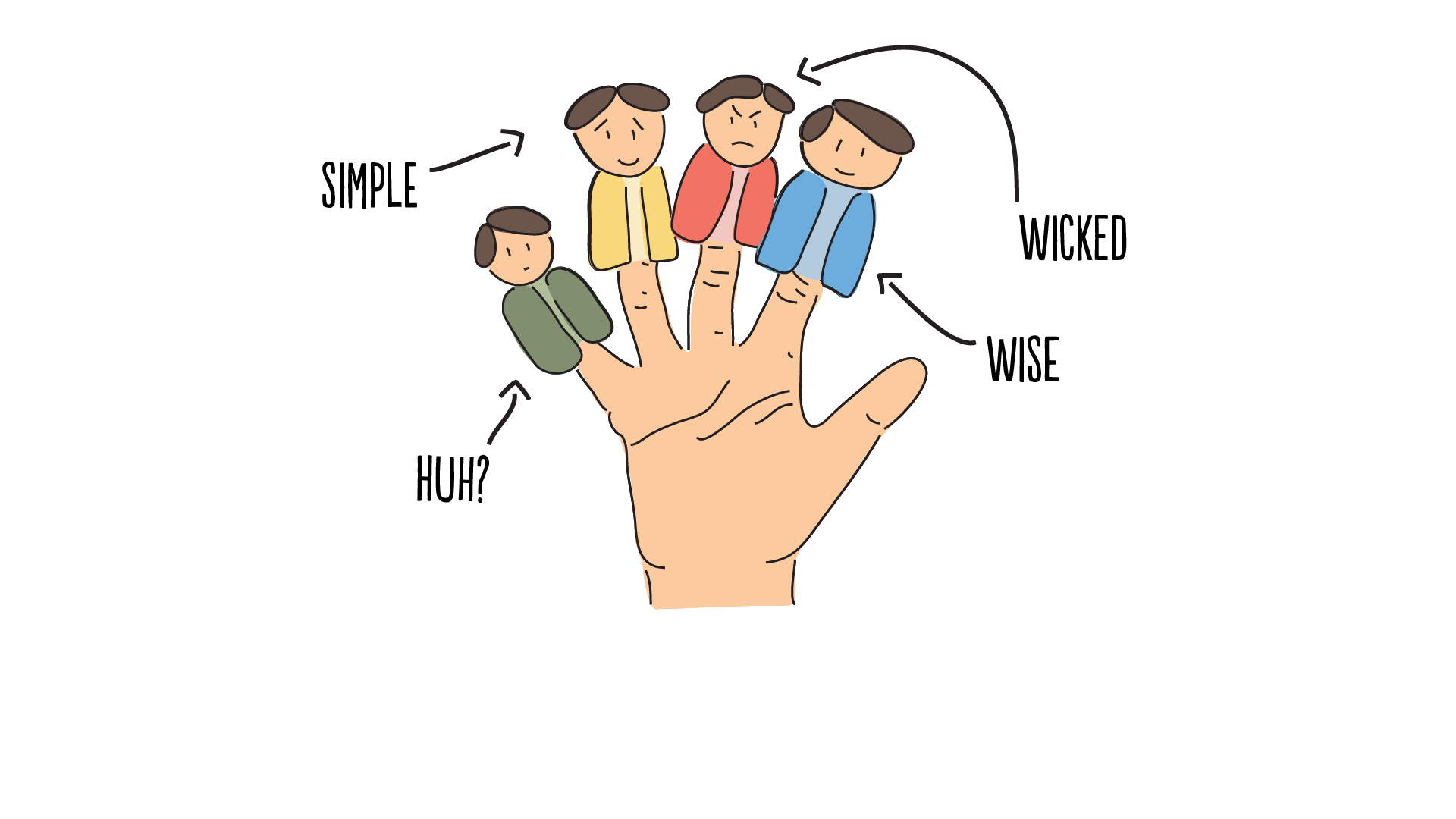
The Torah speaks of four types of children: one is wise, one is wicked, one is simple, and one does not know how to ask.
חָכָם מָה הוּא אוֹמֵר? מַה הָעֵדוֹת וְהַחֻקִּים וְהַמִשְׁפָּטִים אֲשֶׁר צִוָּה יי אֱלֹהֵינוּ אֶתְכֶם? וְאַף אַתָּה אֱמָר לוֹ כְּהִלְכוֹת הַפֶּסַח: אֵין מַפְטִירִין אַחַר הַפֶּסַח אֲפִיקוֹמָן.
Chacham mah hu omeir? Mah ha-eidot v'hachukim v'hamishpatim, asher tzivah Adonai Eloheinu etchem? V'af atah emor lo k'hilchot hapesach. Ein maftirin achar hapesach afikoman.
The Wise One asks: "What is the meaning of the laws and traditions God has commanded?" (Deuteronomy 6:20) You should teach him all the traditions of Passover, even to the last detail.
רָשָׁע מָה הוּא אוֹמֵר? מָה הָעֲבֹדָה הַזֹּאת לָכֶם? לָכֶם - וְלֹא לוֹ. וּלְפִי שֶׁהוֹצִיא אֶת עַצְמוֹ מִן הַכְּלָל כָּפַר בְּעִקָּר
.וְאַף אַתָּה הַקְהֵה אֶת שִנָּיו וֶאֱמֹר לוֹ: בַּעֲבוּר זֶה עָשָׂה יי לִי בְּצֵאתִי מִמִּצְרָיִם. לִי - וְלֹא לוֹ. אִילּוּ הָיָה שָׁם, לֹא הָיָה נִגְאָל
Rasha, mah hu omer? Mah ha-avodah ha-zot lachem? Lachem v’lo lo. Ul'fi shehotzi et atzmo min hak'lal, kafar ba-ikar. V'af atah hakheih et shinav, ve-emor lo. Ba-avur zeh, asah Adonai li, b'tzeiti mimitzrayim, li v'lo lo. Ilu hayah sham, lo hayah nigal.
The Wicked One asks: "What does this ritual mean to you?" (Exodus 12:26) By using the expression "to you" he excludes himself from his people and denies God. Shake his arrogance and say to him: "It is because of what the Lord did for me when I came out of Egypt..." (Exodus 13:8) "For me" and not for him -- for had he been in Egypt, he would not have been freed.
תָּם מָה הוּא אוֹמֵר? מַה זֹּאת? וְאָמַרְתָּ אֵלָיו: בְּחֹזֶק יָד הוֹצִיאָנוּ יי מִמִּצְרָיִם, מִבֵּית עֲבָדִים
Tam mah hu omeir? Mah zot? V'amarta eilav. B'chozek yad hotzi-anu Adonai mimitzrayim mibeit avadim.
The Simple One asks: "What is all this?" You should tell him: "It was with a mighty hand that the Lord took us out of Egypt, out of the house of bondage."
ושֶׁאֵינוֹ יוֹדֵעַ לִשְׁאוֹל - אַתְּ פְּתַח לוֹ, שֶׁנֶּאֱמַר: וְהִגַּדְתָּ לְבִנְךָ בַּיוֹם הַהוּא לֵאמֹר, בַּעֲבוּר זֶה עָשָׂה יי לִי בְּצֵאתִי מִמִּצְרָיִם
V'she-eino yodei-a lishol, at p'tach lo. Shene-emar. V'higadta l'vincha, bayom hahu leimor.
Ba-avur zeh asah Adonai li, b'tzeiti mimitzrayim.
As for the One Who Does Not Know How To Ask, you should open the discussion for him, as it is written: "And you shall explain to your child on that day, 'It is because of what the Lord did for me when I came out of Egypt." (Exodus 13:8)
Around our tables sit four daughters.
Wise Daughter
The Wise daughter understands that not everything is as it appears.
She is the one who speaks up, confident that her opinion counts. She is the one who can take the tradition and ritual that is placed before her, turn it over and over, and find personal meaning in it. She is the one who can find the secrets in the empty spaces between the letters of the Torah.
She is the one who claims a place for herself even if the men do not make room for her.
Some call her wise and accepting. We call her creative and assertive. We welcome creativity and assertiveness to sit with us at our tables and inspire us to act.
Wicked Daughter
The Wicked daughter is the one who dares to challenge the simplistic answers she has been given.
She is the one who asks too many questions. She is the one not content to remain in her prescribed place. She is the one who breaks the mold. She is the one who challenges the status quo.
Some call her wicked and rebellious. We call her daring and courageous. We welcome rebellion to sit with us at our tables and make us uneasy.
Simple Daughter
The Simple daughter is the one who accepts what she is given without asking for more.
She is the one who trusts easily and believes what she is told. She is the one who prefers waiting and watching over seeking and acting. She is the one who believes that the redemption from Egypt was the final act of freedom. She is the one who follows in the footsteps of others.
Some call her simple and naive. We call her the one whose eyes are yet to be opened. We welcome the contented one to sit with us at our tables and appreciate what will is still to come.
Daughter Who Does Not Know How to Ask
Last is the daughter who does not know how to ask.
She is one who obeys and does not question. She is the one who has accepted men's definitions of the world. She is the one who has not found her own voice. She is the one who is content to be invisible.
Some call her subservient and oppressed. We call her our sister. We welcome the silent one to sit with us at our tables and experience a community that welcomes the voices of women.
(Used with permission of the Temple Emunah Women's Seder Haggadah Design Committee)
The Ballad of the Four Sons
(to the tune of "Clementine")
wriiten by Ben Aronin in 1948
Said the father to his children,
"At the seder you will dine,
You will eat your fill of matzah,
You will drink four cups of wine."
Now this father had no daughters,
But his sons they numbered four.
One was wise and one was wicked,
One was simple and a bore.
And the fourth was sweet and winsome,
he was young and he was small.
While his brothers asked the questions
he could scarcely speak at all.
Said the wise one to his father
"Would you please explain the laws?
Of the customs of the seder
Will you please explain the cause?"
And the father proudly answered,
"As our fathers ate in speed,
Ate the paschal lamb 'ere midnight
And from slavery were freed."
So we follow their example
And 'ere midnight must complete
All the seder and we should not
After 12 remain to eat.
Then did sneer the son so wicked
"What does all this mean to you?"
And the father's voice was bitter
As his grief and anger grew.
"If you yourself don't consider
As son of Israel,
Then for you this has no meaning
You could be a slave as well."
Then the simple son said simply
"What is this," and quietly
The good father told his offspring
"We were freed from slavery."
But the youngest son was silent
For he could not ask at all.
His bright eyes were bright with wonder
As his father told him all.
My dear children, heed the lesson
and remember evermore
What the father told his children
Told his sons that numbered four.
Four Sons Song - to the tune of Clementine
Preview
More
showing
1-6
of
68447
Page
1
of
11408