Mix-and-match
Explore content in our extensive library and pull it together into your own Jewish ritual booklet that honors and recognizes whatever life has brought your way.
Share a ritual
Add your own original content as a clip to our extensive library - a poem, blessing, or something else entirely. Someone out there is looking for exactly what only you can create.
Support us
with your donation.
Help us build moments of meaning and connection through home-based Jewish rituals.
Featured clips
Prayer for the People of Ukraine
Preview
More
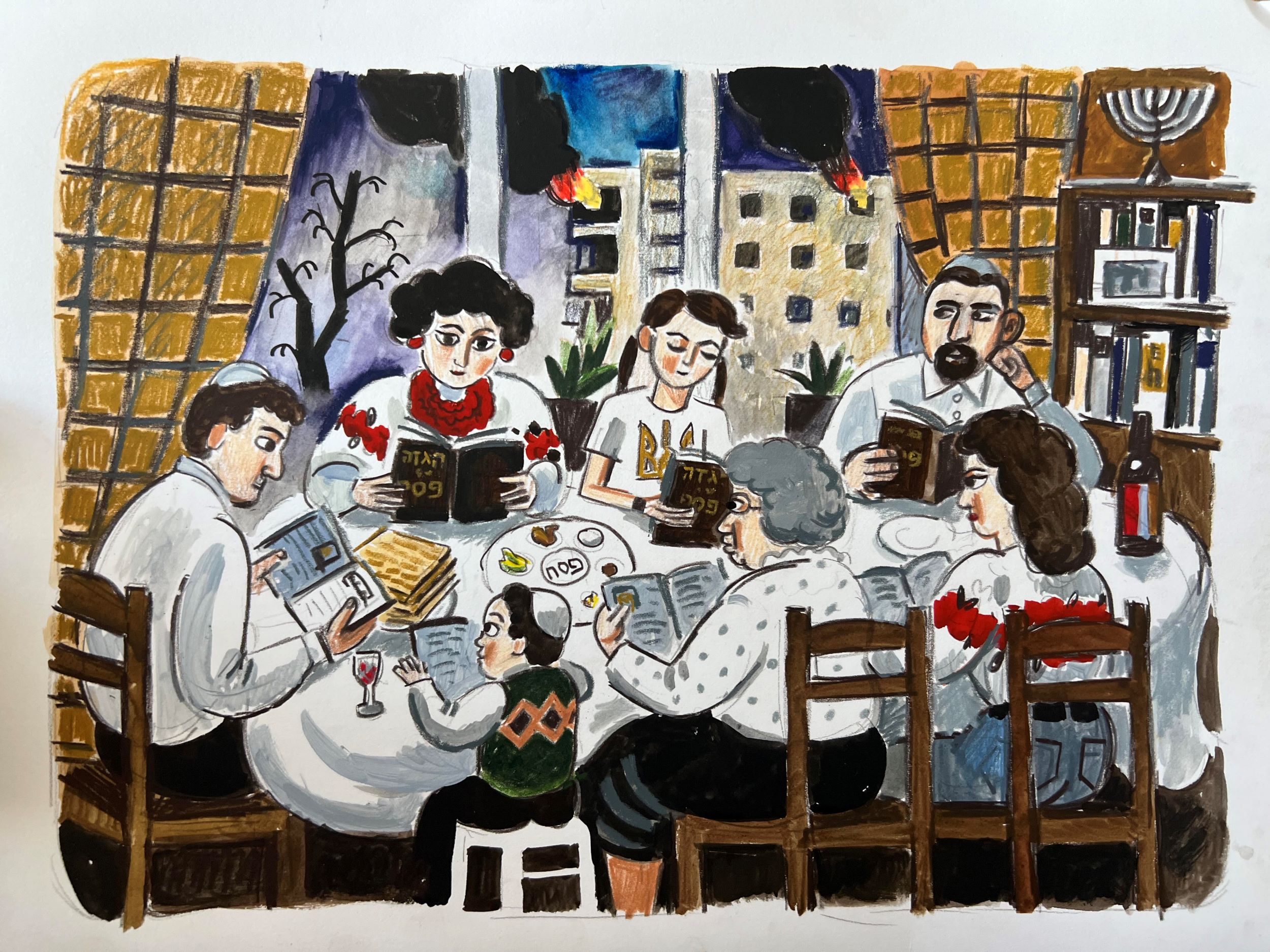
Since our founding, Project Kesher has been committed to building vibrant Jewish life that reflects the history of our people, the full inclusion and leadership of women and opportunities for insight into how our traditions and rituals have meaning today. There is almost no ritual in Jewish life that provides more opportunity for this process than the Passover seder and its text, the Haggadah.
The word seder literally means “order” in Hebrew – and the order in which we celebrate this ritual set forth in the Project KesherUkraine Haggadah, like all haggadot, remains unchanged. But, the supplemental readings and blessings have been specifically chosen by the haggadah’s Ukrainian team to inspire the Ukrainian people as they fight for their nation’s freedom and to reclaim the accomplishments of Ukrainian Jews as uniquely their own.
Project Kesher has a long history of inviting Jewish women and girls in Ukraine to celebrate Passover and engage with the text of the Haggadah, inspired by The Journey Continues: The Ma’yan Passover Haggadah. As that Haggadah states,
We are told that each one of us personally left Egypt, and each of us must re-experience the Exodus, telling the story of our own freedom. When we try to do this-using our own voices, valuing our own insights, and building on the RICH texts of our evolving tradition – we create inspirational seders and participate in the transformation of Judaism. Through this process, we can experience the blessing of being free to embrace the past as well as the future.
At a moment when Ukraine is engaged in an existential fight for its freedom, it is only fitting that a Haggadah be created – in Ukrainian - to provide Ukrainian Jews in Ukraine or gathering around the world, an opportunity to embrace their commitment to living freely, in the language of their nation. Project Kesher is confident that this Haggadah will be remembered as a turning point in Ukrainian Jewry – a statement of their fully integrated identities as Ukrainian and Jewish.
Wartime haggadot are nothing new. During WWII, several haggadot were created for US soldiers. One of the best known, The Rainbow Haggadah, opens with a message from Major General Collins who writes: “My Jewish Soldiers– The celebration of Passover should have unusual significance for you at this time, for like your ancestors of old you too are now engaged in a battle against a modern Pharaoh. This Pharaoh has sought, not only to enslave your people, but to make slaves of the whole world.” Rabbi Eli Bohnen who created the Haggadah with his assistant Eli Heinberg, for use one month before Germany’s defeat wrote, “I am confident that it is the first Hebrew religious work printed in Germany since the advent of Hitler.”
With the release of the first Ukrainian language haggadah, Project Kesher proudly declares that we and Jews around the world stand with the people of Ukraine against their modern day Pharaoh, and we will share blessings for peace in Ukraine and Israel at our own seders, as you say them at yours.
Next year in Jerusalem and Kyiv,
Karyn G. Gershon, CEO Project Kesher
צפון * Цафун * Ми їмо знайдений афікоман.
Афікоман — це середній шматок маци, що ми заховали на початку трапези. Діти беруться до його пошуків — хто знайде, може просити за це «викуп» чи гостинці: книги, гроші, що даються після свята, кошерні солодощі. Деякі батьки принагідно вчать дітей віддати частину свого «викупу» на цдаку, себто благодійність, чи поділитися з іншими.
זֵכֶר לְקָרְבָּן פֶּסַח הָנֶאֱכַל עַל הָשוֹבַע.
Зехер ле-карбан Песах га-неехаль аль га-шова.
Цю мацу ми їмо на спомин про дні, коли був Храм, а ми могли їсти досита.
Natan Sharansky’s First Seder
24.03.2021
I was born into a completely assimilated Jewish family. Nothing Jewish, except the anti-Semitism. No traditions, no holidays, no language. At 24, I joined the Zionist movement. We struggled to free the Jews of the Soviet Union. As part of my Zionist activities, I began to learn Hebrew in secret, in an underground ulpan. I celebrated the first Passover Seder of my life with my fiancé at the time, Avital (then Natasha), in Moscow. Three Hebrew teachers brought all of their students together for one big Seder in a Moscow apartment. As we didn’t know Hebrew well enough to read from the Haggadah, the teachers gave each of us a short part to memorize. We didn’t understand many of the words, expressions or sentences, yet one line in particular we didn’t just understand… we felt:
“…ela sh’bkhol dor v’dor omdim aleinu l’khaloteinu” — “in each generation, they stand against us to destroy us…”
It was enough to simply look out the window and see the KGB agents surrounding the apartment to know that we ourselves were continuing the Exodus from Egypt.
And when we said, “L’shana ha’baa b’Yerushalayim!” — “Next year in Jerusalem!”, we believed and knew that just like the Israelites in Egypt, we too would live lives of freedom. Before that freedom came, Avital and I would be separated from one another for twelve years. For nine of them, I was in the Gulag.
When I celebrated the Seder in solitary confinement, I needed to decide what would be matzah, what would be maror and what would be wine, when all I had in solitary were three slices of bread, three cups of warm water and a bit of salt. I decided that the maror was salt, the wine was warm water, and the matzah was dry bread. Recalling the lines I had learned for my first Seder, I felt that our struggle continued. It strengthened my spirit.
“B’Shana zo anu avadim l’shana ha’baa bnei horin, ha’shana anu kan uv’shana ha’baa b’Yerushalayim” — “This year we are slaves, next year free men; this year we are here, and next year in Jerusalem.”
Prepared by Noam Zion for Haggadah "For Our Freedom"
Noam Zion is a Senior Fellow Emeritus of the Kogod Research Center at the Shalom Hartman Institute since 1978. He studied philosophy and holds degrees from Columbia University and the Hebrew University in Jerusalem. He studied bible and rabbinics at the Jewish Theological Seminary of America and the Hartman Beit Midrash. He has developed study guides on bible, holidays and rabbinic ethics. His publications and worldwide lectures have focused on “homemade Judaism” – empowering families to create their own pluralistic Judaism during home holidays, including Pesach, Hanukkah, and Shabbat.
Natan Sharansky’s First Seder
Preview
More
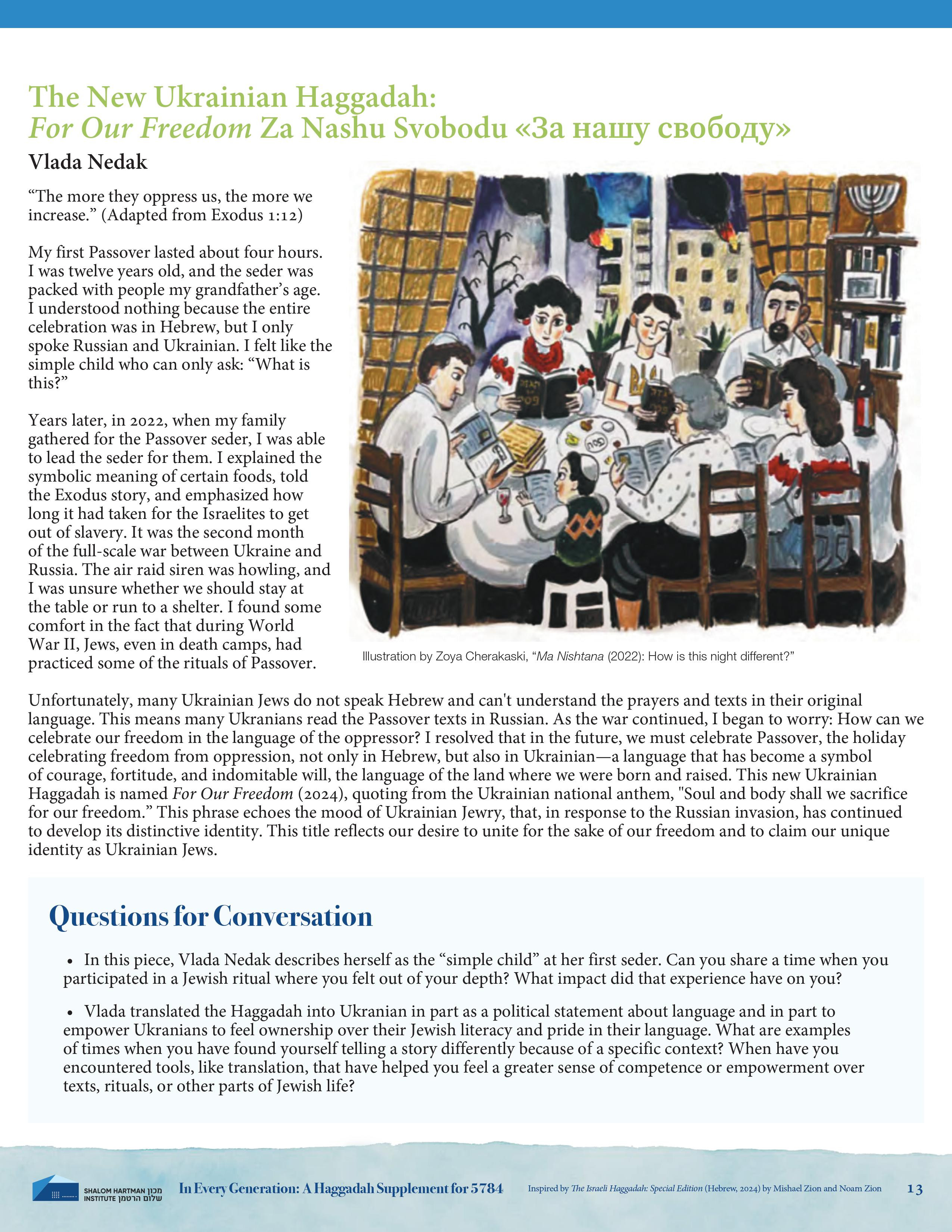
In Every Generation: The New Ukranian Haggadah
Preview
More
Featured ritual books
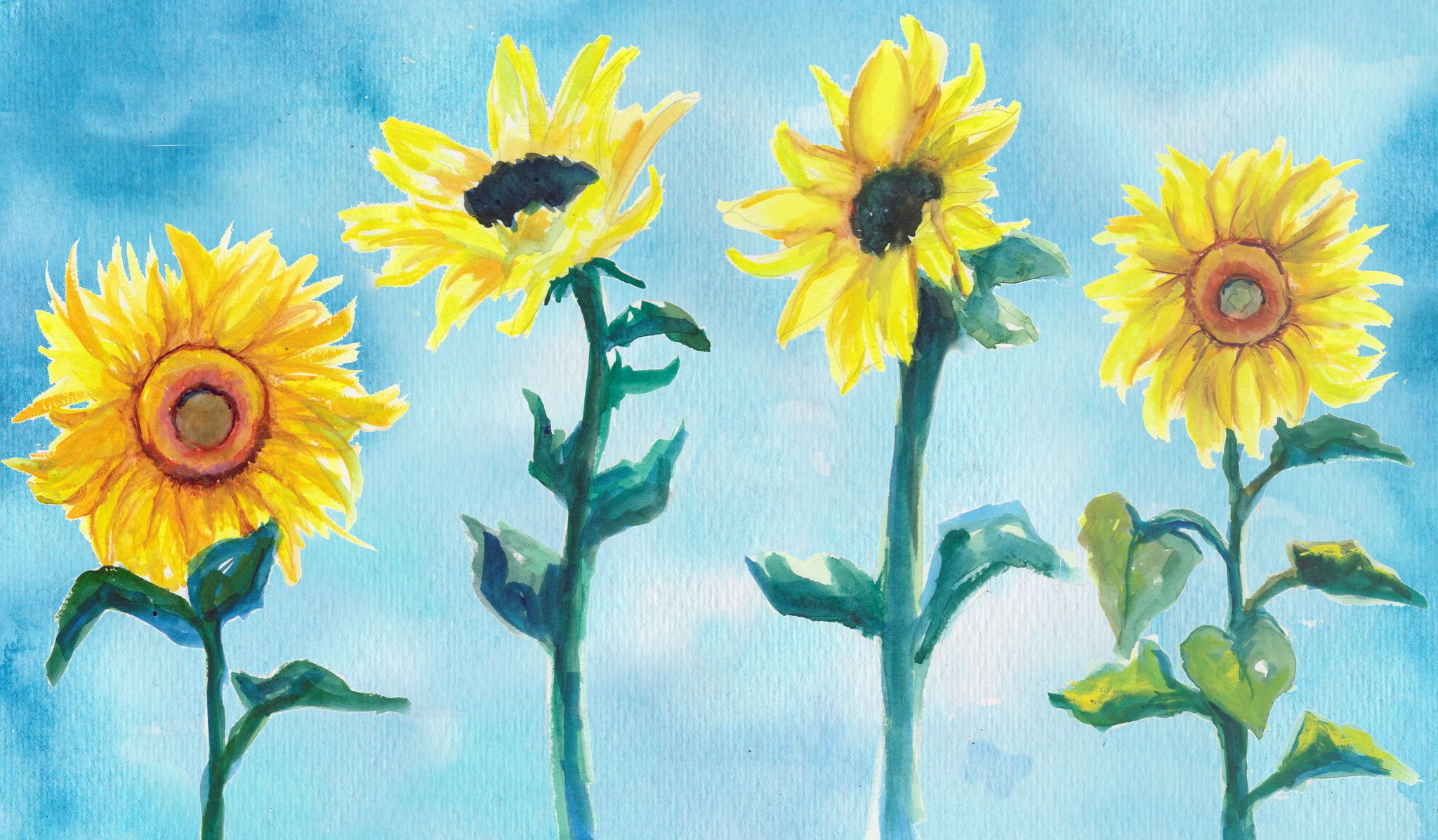
Honoring The People Of Ukraine
Preview
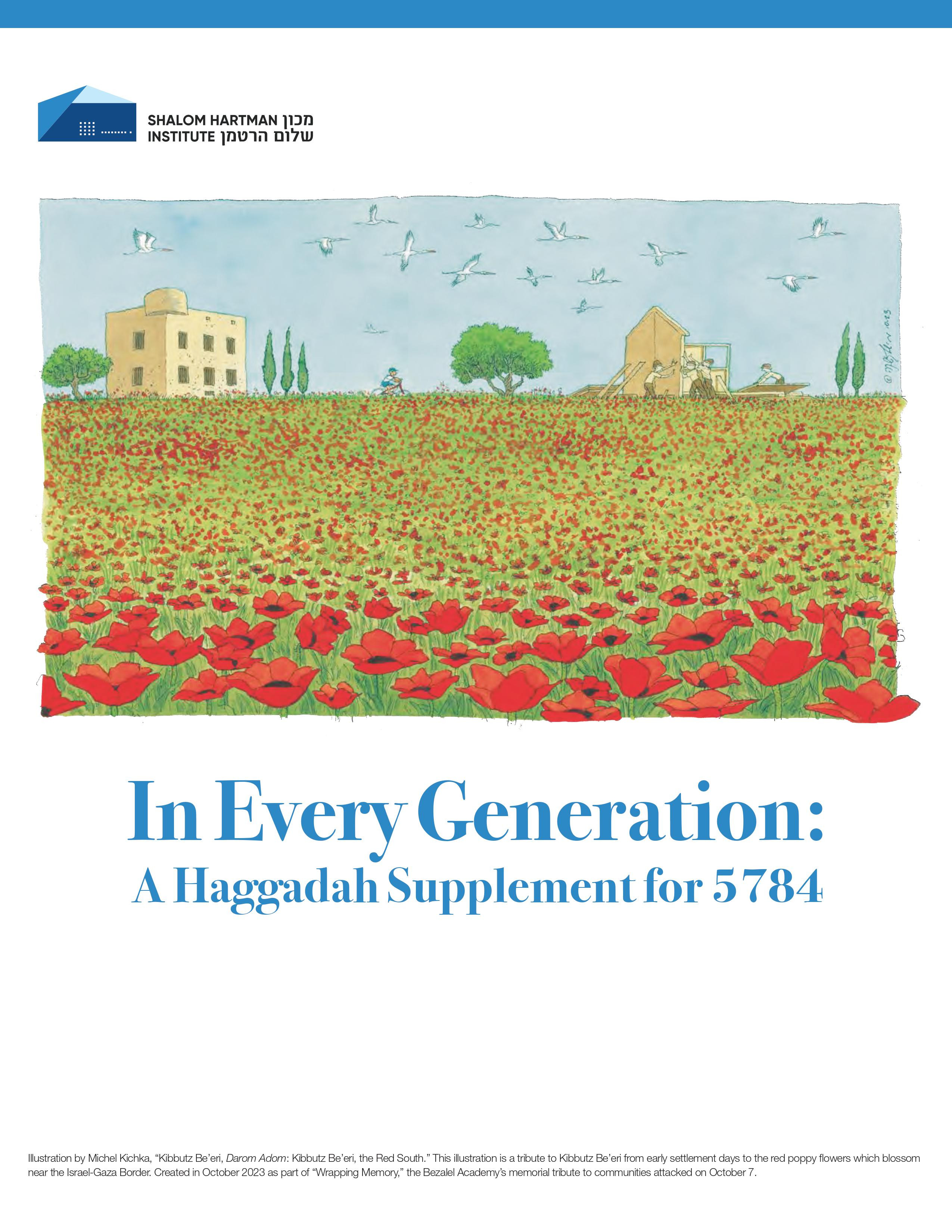
In Every Generation: A Haggadah Supplement for 5784
Preview
.jpg)