Mix-and-match
Explore content in our extensive library and pull it together into your own Jewish ritual booklet that honors and recognizes whatever life has brought your way.
Share a ritual
Add your own original content as a clip to our extensive library - a poem, blessing, or something else entirely. Someone out there is looking for exactly what only you can create.
Support us
with your donation.
Help us build moments of meaning and connection through home-based Jewish rituals.
Featured clips
How have I come to understand or experience liberation?
In what ways can Passover help me connect to ancient and modern forms of slavery and oppression?
In addition to the injustices mentioned above, what other tragedies am I remembering this Passover?
Moving forward, what are ways in which I can better learn and become informed about injustices experienced around the world?
How can we introduce these stories into our families and Passover seders?
How has ancestral trauma (the trauma my ancestors experienced) shown up in my life? My body?
What are ways in which I can begin to heal suffering that has been passed down to you?
What does Latin-Jewish joy look like for you?
What do you appreciate most about your multifaceted identity?
¿Cómo has llegado a comprender o desear la liberación?
¿De qué manera puede Pésaj ayudarnme a conectar con temas de esclavitud y opresión?
Además de las injusticias mencionadas anteriormente, ¿qué otras tragedias recuerdo este Pesaj?
En el futuro, ¿de qué maneras puedo informarme sobre las injusticias experimentadas en todo el mundo?
¿Cómo puedo honrar y reflexionar sobre estas injusticias durante el seder?
¿Cómo se ha manifestado en mi vida el trauma ancestral (el trauma que sufrieron mis ancestros)? ¿Cómo se manifiesta en mi cuerpo?
¿Cuáles son las formas en que puedo comenzar a sanar el sufrimiento que me han transmitido mis antepasados?
¿Cómo se manifiesta la alegría judía en mi vida?
¿Qué es lo que más aprecio de mi identidad multicultural?
Reflection Questions/Preguntas Para Reflexionar
Preview
More
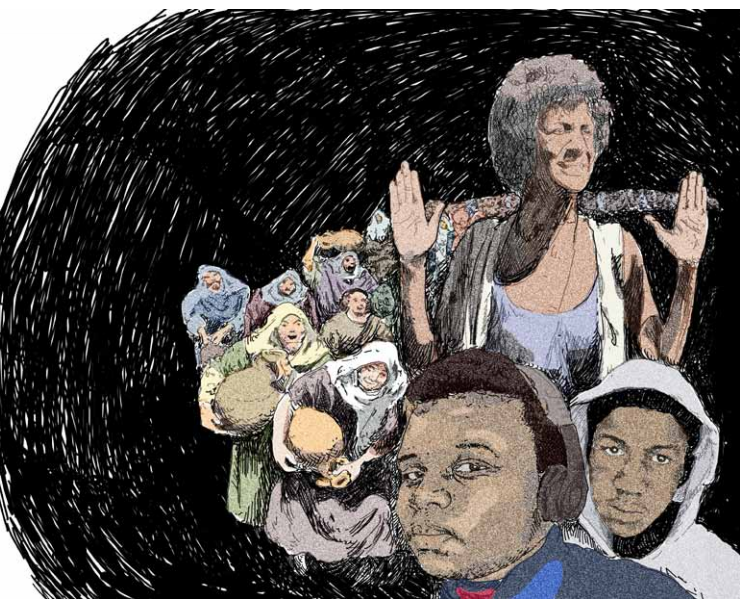
“For Jewish support of #BlackLivesMatter to really make a difference, the discussion of racism, classism and sexism MUST come home. We need these discussions in our communities, our synagogues, our institutions, our homes as an analysis and challenge of our assumptions about our history as a people and the richness of our heritage.”– Sabrina Sojourner, #BlackLivesMatter Hanukkah Action, 2014
A traditional Passover seder is a festive, ritual-rich meal in which we remember the ancient Jewish story of liberation from slavery in Egypt. Over the centuries, thousands of different versions of the Passover haggadah, or “narrative,” have been written. Tonight, our haggadah will connect an ancient liberation story to liberation struggles that are still ongoing.
Jews have always been a multi-ethnic people, from the “mixed multitudes” who escaped Pharaoh in Egypt, to stand together at Sinai, to the incredible diversity of our many communities and traditions around the world historically and today. And whether you connect to the liberation story of the Exodus or the liberation story of Rabbi Heschel marching with Dr. King in Selma – and many, many stories in between – our people are called to work for justice everywhere.
Tonight we will lift up Black voices and Black stories both Jewish and Gentile. We will celebrate the resilience of the human spirit and take responsibility to lessen the daily demands on that spiritual strength. Tonight we will honor Black lives and Black voices by making an individual and communal commitment, as Jews, to racial justice.
Tonight we ask you to be vulnerable to each other. We ask you to wrestle with our responsibility to our sisters and brothers, because we cannot aid in the liberation of our friends from behind the walls that keep us separate.
At Passover, we receive a personal directive to create an inclusive and welcoming community. Even when we intend to be welcoming, many in our community still feel like strangers. The things that divide us — race, ethnicity, gender, class, religion, among others — also have the power to unite us. During the Seder, we are each meant to remember that we ourselves were once strangers in a strange land. If the Jewish community is to be a home for all, we must make room at the table and share our stories. We hope this supplement will inspire thought, conversation and action; each and every one of us can be the welcome that another needs.
This short supplement can be inserted after the Maggid or beginning of the Passover Story: "This is the bread of affliction that our fathers ate in the land of Egypt. Whoever is hungry, let him come and eat; whoever is in need, let him come and conduct the Seder of Passover. This year [we are] here; next year in the land of Israel. This year [we are] slaves; next year [we will be] free people."
Leader: At the start of the Seder, Jews around the world welcome all those who want to join us at our tables, in our homes, and in our community.
Leader: We welcome Jews of all ethnic backgrounds to join us at our table;
All: There are many ways to express and celebrate Jewish traditions.
Leader: We welcome Jews of all races to join us at our table;
All: We learn and grow from many points of view.
Leader: We welcome those who have chosen Judaism to join us at our table;
All: New enthusiasm and energy revitalizes the Jewish people.
Leader: We welcome all those exploring or connected to Judaism to join us at our table;
All: A variety of experiences and understandings strengthen the Jewish people.
Leader: We welcome those of other faiths or traditions to join us at our table;
All: We know that sharing our stories will help build a future of freedom.
All: We welcome all who have ever felt like strangers to our table. Tonight we go forth together for we are all strangers in Egypt.
Optional discussion question - Share a time when you felt like an outsider but were actively welcomed into a new community or space. How did that happen? How did it make you feel?
Download here:https://globaljews.org/resources/publications/welcoming-all-an-inclusive-passover-reading/
Welcoming All: An Inclusive Passover Reading
Preview
More
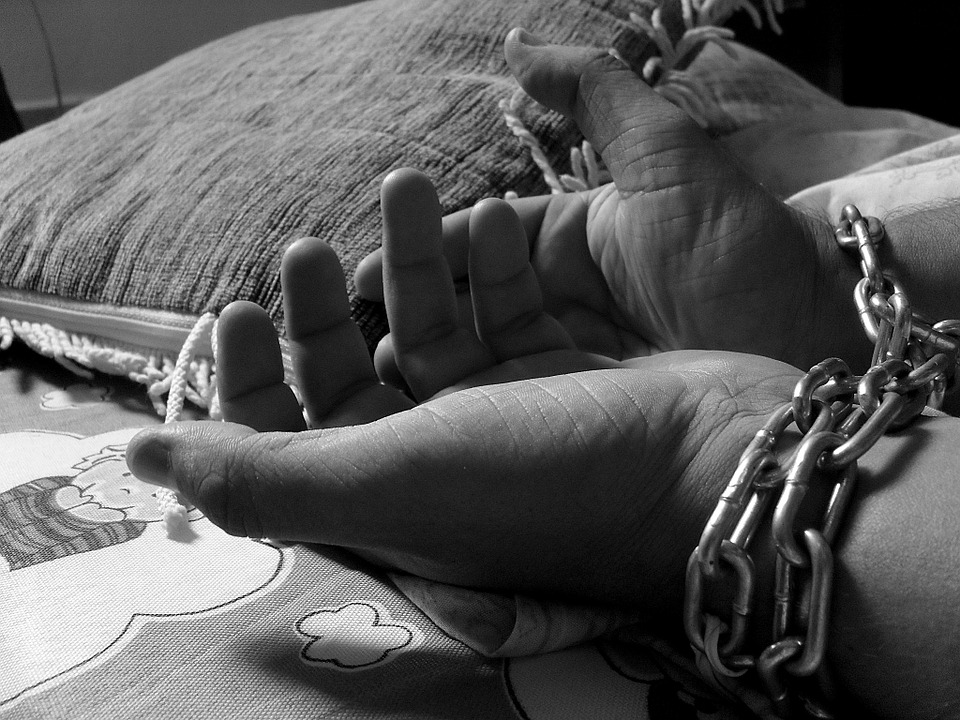
Navigating Jewish and American Slavery Narratives
Preview
More
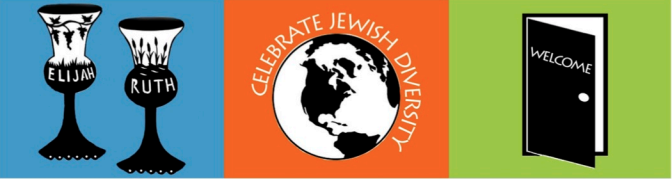
Ruth's Cup: A New Passover Ritual Celebrating Jewish Diversity
Preview
More
Why are we talking about liberation?
"Liberation requires us to become aware of and dismantle the inevitable ways systems of domination live in us. Freedom, the ongoing state achieved through liberation, requires this awareness profoundly. Through releasing old, habitual, behavioral contracts that uphold white supremacy in ourselves and others and building new embodied competencies, we reclaim our bodies and inhabit our lives ever more fully and intentionally. As our experience of life is heightened and nourished by increased awareness and capacity to choose, rather than only react, we become more able to coordinate skillfully with others from a ground of authenticity, trust and accountability." -Black Organizing for Leadership
showing
1-6
of
17
Page
1
of
3
Featured ritual books
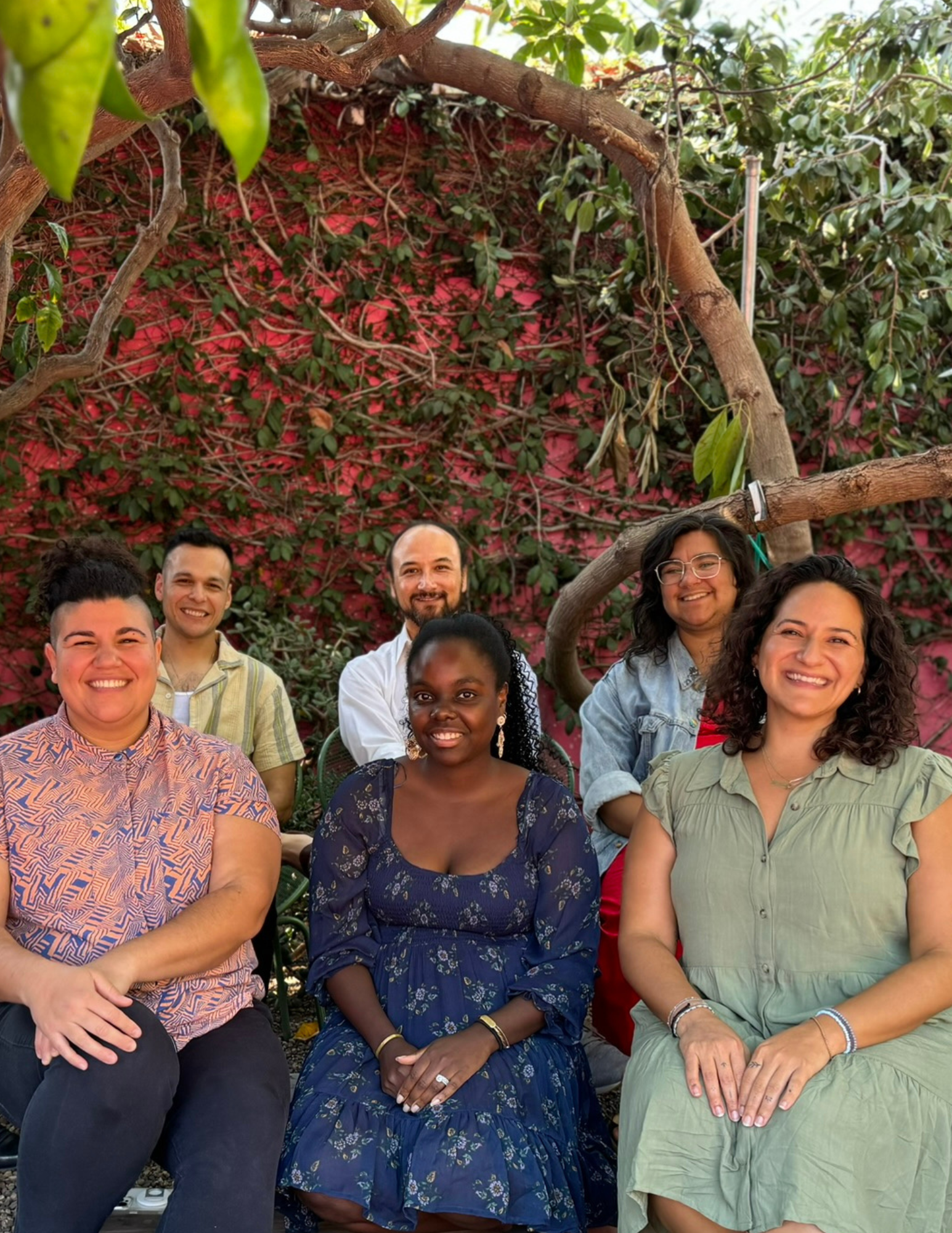
The Beauty of Beginnings: A Book of Radical Rituals for the High Holidays
Preview
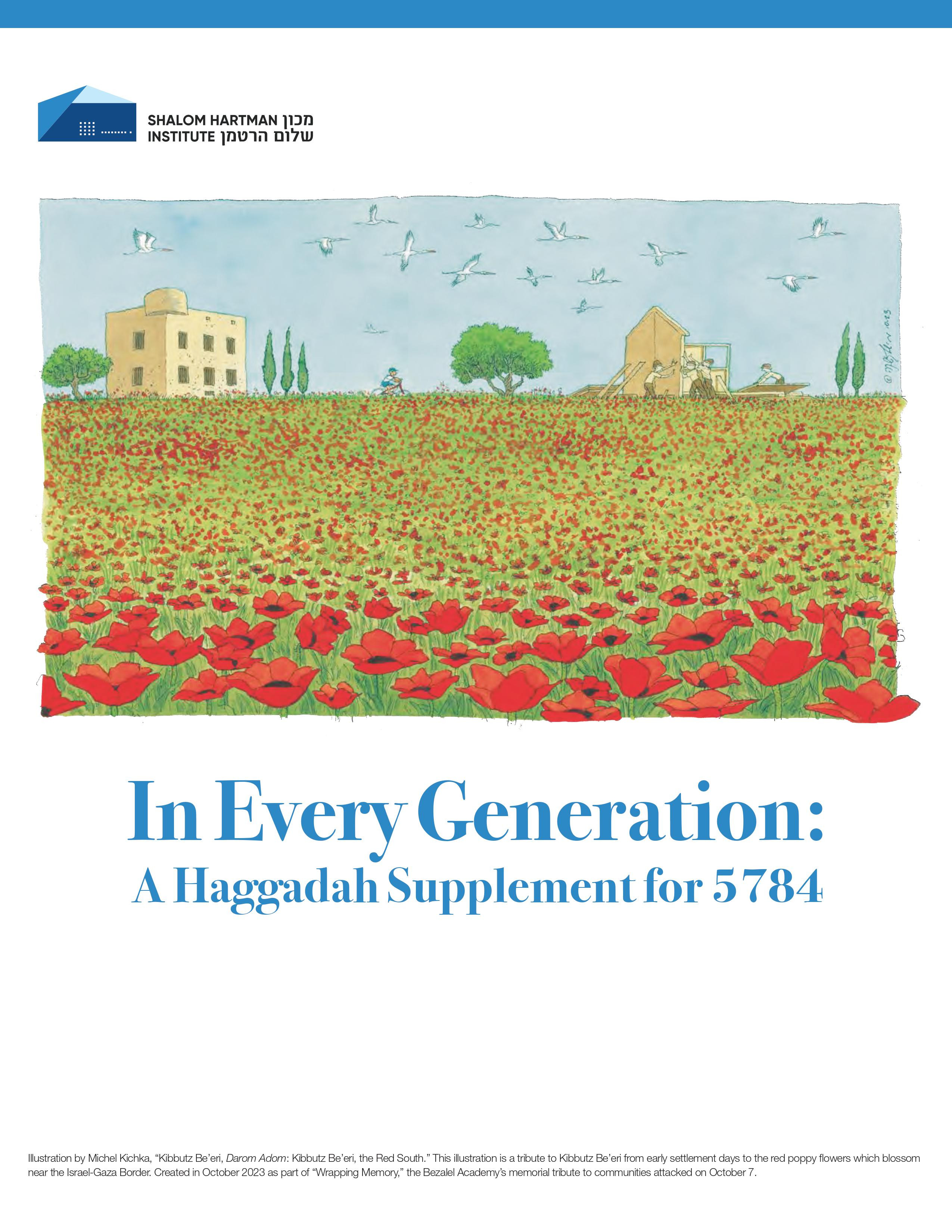
In Every Generation: A Haggadah Supplement for 5784
Preview