Haggadot.com is now Recustom!
All your favorite Passover content from Haggadot.com is now here.
Explore Yachatz
Mix-and-match
Explore content in our extensive library and pull it together into your own Jewish ritual booklet that honors and recognizes whatever life has brought your way.
Share a ritual
Add your own original content as a clip to our extensive library - a poem, blessing, or something else entirely. Someone out there is looking for exactly what only you can create.
Support us
with your donation.
Help us build moments of meaning and connection through home-based Jewish rituals.
Featured ritual books
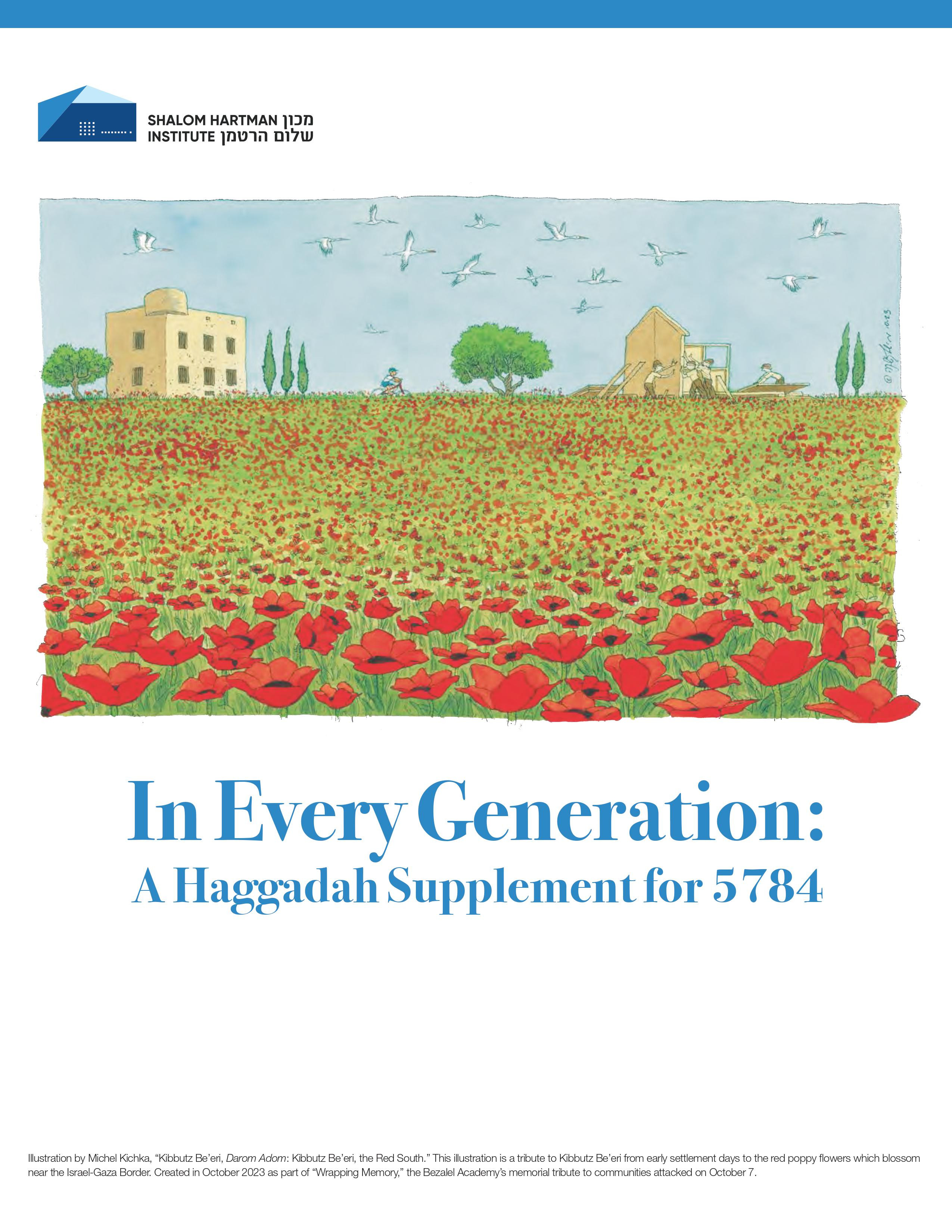
In Every Generation: A Haggadah Supplement for 5784
Preview

showing
1-6
of
8788
Page
1
of
1465
Featured clips
Before Your Seder:
During Your Seder:
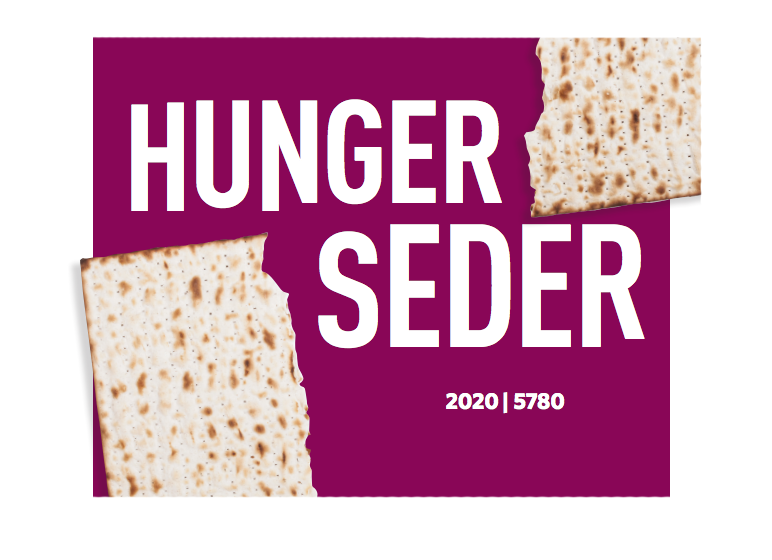
On the table you will find three pieces of matzah, stacked together. We eat matzah in memory of the quick flight of our ancestors from Egypt. As slaves, they had faced many false starts before finally being let go. So when the word of their freedom came, they took whatever dough they had and ran with it before it had the chance to rise, leaving it looking something like matzah.
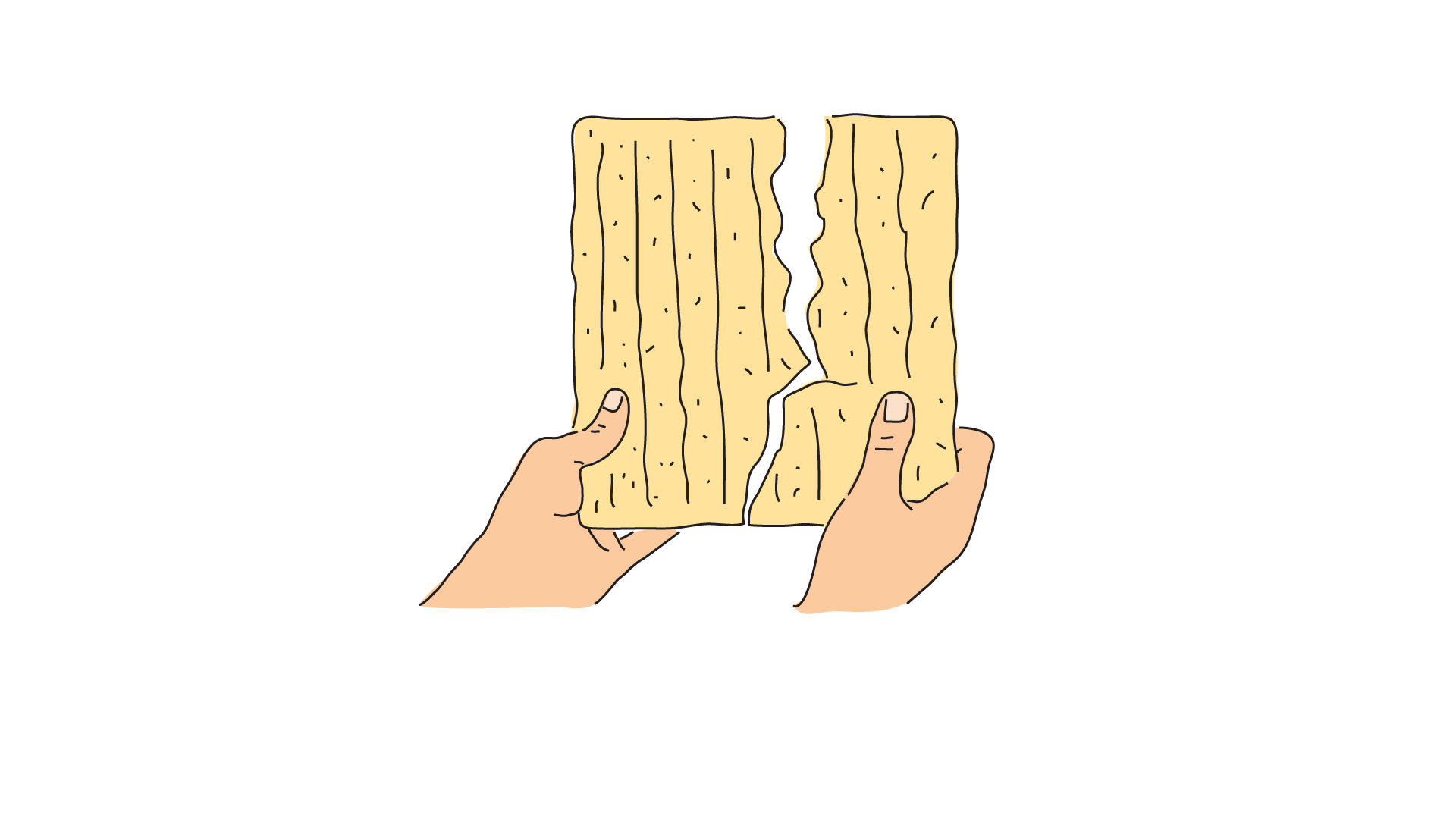
We take the middle matzah and break it in two.The smaller piece goes back between the others. The larger piece — called the Afikomen, a Greek word meaning roughly "dessert" — is wrapped and will be hidden somewhere in the room.
By tradition, after the meal, the children will try to find or steal the Afikomen and hold it for ransom. The Seder cannot continue until the ransom is paid. The youngest people at our table are now the keepers of what matters most tonight. Let us move forward into the story that brought us all together this evening.
We are free, but we remember when we were slaves. We are whole, but we bring to mind those who are broken. The middle matzah is broken, but it is the larger part which is hidden. Because the future will be greater than the past, and tomorrow’s Passover nobler than yesterday’s exodus. The prospects for the dreamed future are overwhelming to the point of making us mute. So it is in silence, without blessing, that we break and hide the matzah and long for its recovery and our redemption.
YACHATZ
Is matzo poor man's bread or the food of free men? Can it be both? If we regard it as the Bread of Affliction why did we carry dough on our backs out of Egypt, to let it bake in the hot sun without leavening and rising? Can one Matzo be both a symbol of wretchedness and deliverance?
Matzo is a paradox.
Not only is it so, but in breaking the middle matzo we also break with symmetry. There is a bigger half and a smaller half. This unpalatable truth is almost a preamble to the Haggadah. The universe is not symmetrical, all is not evenly divided. There is a richer and poorer half. The distribution of assets is not equal. This is one of the mysteries that persists, omnipresent, throughout time. Life the universe and everything is not fair. We cannot balance this sorry scheme of things entire, and so it goes. What was our response as children to the dawning realization that it was not fair? Did we have coping mechanisms? We survived so we must have coped, but we sacrificed our health in order to do so. We split. We broke into pieces. We hid ourself away. And this is how we prepared ourselves for life. Like the hungriest of paupers eating what we absolutely must, laying aside the greater part for later, when the time is riper. We compromised, accepting this imbalance, bowing to the "Law of Unfairness” which must prevail.
In many ways this acquiescence preceded addiction. We grew satisfied with the expression of a mere fraction of our personalities. We went into "survival mode", subsisting on crumbs of humanness, hiding the greater part of ourselves from ourselves. As we do with the AFIKOMEN.
The focus of our lives grew narrower as our preoccupation with gnawing hunger grew stronger. We had nothing to spare for growth when all we had went to feed our habits. Fewer and fewer opportunities to begin the fixing, as we chased the fix with growing desperation. In the end it became obvious that we had developed a pathological relationship with the "bread of our affliction".
We break the middle matzo because the middle matzo represents the Great Mothering Principle of the Kabbalistical Sphere of BINAH. We lost the ability to take care of our most basic needs, to Mother ourselves.
If the recitation of the Haggadah is our "war-story", our qualification, why are we breaking the matzo now before beginning our war story?
The answer is heartbreaking. The reason this happens before the Haggadah, is because the splitting of the self almost always occurs when we are still in a pre-verbal state. The disorder of our personalities, the shaming and abandonment of ourselves happens when we are still babies, infants. What follows is the story of our lives after the rupture. The inevitable, inexorable descent into the blast-furnace that was our Egypt, and our deliverance. There are no words to describe the event. We simply break the matzo, leaving the smaller section on the Seder plate, We wrap the larger piece in a pillow-case and put it away for afikomen.
Recovery is a lifelong process. We must realize, actualize and integrate the whole of ourselves. We will do this by eating the Afikomen as a symbolic "last-act" of the Seder. When it is all over we will have achieved a reclamation of the "self" we abandoned. We take the Afikomen we have wrapped in a pillowcase, slinging it over the shoulder we explain to our children:
“This is what our parents did when they came out of Egypt;”
As it is written:
“Their dough slung over their shoulders in sheets”
And the sun shone so hot that it was baked, without the opportunity to leaven as dough left alone will do. And so they continued to eat the unleavened bread even when they came out of Egypt".
Why did we continue eating this bread after we had left Egypt? Why is this a point worth mentioning? In a sense we are reminding ourselves of those times early in Recovery when we found ourselves in very painful situations, eating what seemed identical to the bread of our affliction. We can only see with hindsight that we were eating bread of freedom. In our haste to leave Egypt we were prepared to go to any lengths; even mothers with tiny children walked away from the only homes they had. Walking into the wilderness with nothing to eat but unfinished pastry dough and trust in their Higher Power. It is customary to hide the Afikomen, allowing children the excitement of the search. Just another way of keeping them awake and alert whilst the Seder continues.
THE ANONYMOUS HAGGADAH - Yachatz
Preview
More
showing
1-6
of
67859
Page
1
of
11310