Mix-and-match
Explore content in our extensive library and pull it together into your own Jewish ritual booklet that honors and recognizes whatever life has brought your way.
Share a ritual
Add your own original content as a clip to our extensive library - a poem, blessing, or something else entirely. Someone out there is looking for exactly what only you can create.
Support us
with your donation.
Help us build moments of meaning and connection through home-based Jewish rituals.
Featured clips
They say my name means bitter water, or in other translations bitter sea. And why wouldn’t it? My first memories were watching my brother Moses’ basket floating away, pushed by our mother who saved him the only way she could — by giving him away. We were in hiding then; hiding from the laws of the land and the men who obeyed them. Bitter is the pain of subjugation and the laws we enforce upon our fellow human beings.
He sailed away along the currents of the Nile as I watched his fate crystallize.
I never stood by when I could stand up. I got our Mother a position at the palace so she could nurse Moses and continue to be his source of life. While he lived as a Prince of Egypt, I lived in the shadows.
But in fact, it was I who cultivated the soil out of which Moses came to exist:
Before Moses was born, the Pharaoh decreed to throw all Jewish males into the Nile. My father believed if sons had to be killed, it was futile to have more children, and he divorced my Mother.
“But Father!” I exclaimed, “This makes you worse than Pharaoh. Pharaoh decreed the death of men; you decree the death of men and women. In Pharaoh’s world, there exists the possibility that new life will survive. In your world, life is destroyed before it even has the chance to be created.”
The understanding that women also have the right to exist in a world even where there are no men had completely escaped my father’s consciousness. Rather than cower to our oppressors, we chose to go forth with the creation of life.
Within the bitterness, the pain, there was a sliver of hope that we could continue to procreate, and shreds of life would survive. From our bitterness and our strife we marched on, imbued with hope, and my brother Moses was born.
Our story of adversity continued, as we begged to be freed from the chains of slavery, and the 10 plagues ensued. When even the plagues did not free us, God parted the Red Sea. And so we danced. I took my tambourine and led the women to sing and dance through this path towards freedom. The sliver of hope had actualized into a sea of promise.
Going back to my name — bitter water. While water is often bitter, it can also be sweet. Much of our story is shaped around water and like water, our story ebbs and flows, sometimes clear and other times muddy. Water is a source of life, as well as a source of change and transition. The currents of the Nile brought my brother to safety. When we crossed the Sea, it was the absence of water, the passage of dry land, that transitioned us to safety. The walls of the Red Sea defined and etched the path to the Promised Land.
And so when you drink the bitter water, let my spirit join with yours. Know that you make mistakes, and let them lead you forward. Turn to those around you and raise each other up. Drink your bitter water, and may it make you a fighter and leader, yes, but also
a singer and dancer.
Between the Narrows: Queer Asian Jewish Reflections
The Hebrew word for Egypt — “Mitzrayim” — means narrow place, and so the celebration of the Exodus is an opportunity to reflect on our own coming out of narrow places. Since this year's Haggadah is an exploration of the resiliency and complexity of Asian Jewish identities and finding joy and beauty at their intersections, we are proud to highlight the unique identities and experiences of Queer Asian Jews.
As Queer Asian Jews, there are many parallels to our own multifaceted stories to explore throughout the telling of the Passover story. As a marginalized identity within a marginalizedidentity within a marginalized identity, the stories of Queer Asian Jews are frequently passed over.
Tonight we validate and give space to members of the LUNAR community to share their own stories of Exodus — of coming out into freedom —and what it means as a Queer Asian Jew to leave a narrow place and find joy and welcome in your authentic self.
***
of cut fruit / tender hands /grabbing and pulling and reaching through the bounds of history / as i kiss ancient scrolls / each tender embrace a reminder of survival against all odds / may each inhale be proof of queer / asian / jewish possibility, each exhale an homage to queer / asian / jewish past - may our limbs overflow with every ounce of the sanctity we deserve
-Is Perlman
***
Being a Woman, Asian, Jewish, and Queer; Oppression is real. We are constantly reminded that we still live in an unjust society, and there is so much more work that needs to be done to achieve equality and justice for all. To me, the theme of Exodus, the parting of the sea, is a reminder that we are all still walking down the path to freedom. We are not at the promised land yet, but what joy it is that I get to walk alongside the LUNAR Collective now instead of walking alone.
-Davi Cheng
Excerpt: Queer Lens on the Maggid
Preview
More
While the items on a seder plate may seem set in stone, substitutions have always been part of the Jewish experience. Potatoes and Onions have been used in place of spring greens since the Jewish diaspora reached Eastern Europe, and vegetarians have used blood-red beets instead of shank bones. Grocery stores today are internationalized, but how could we reimagine a seder plate filled with items our Asian ancestors could have found easily?
Lamb Shankbone (Zeroah)
The roasted shank bone commemorates the paschal (lamb) sacrifice made the night the ancient Hebrews fled Egypt. Some say it symbolizes the outstretched arm of G-d (zeroah can also mean “arm”). Lamb is a popular meat choice in Central Asia and India, where other red meats may be less popular for religious reasons.
Wasabi (Maror)
Wasabi brings tears to the eyes and recalls the bitterness of slavery.
Yu Choy (Hazaret)
Yu Choy is a second bitter herb, usually a leafy green, used in korech or the Hillel sandwich. Many Jews do not include Hazeret on the seder plate, and instead, use maror for all rituals involving bitterness.
Matzah
Matzah reminds us of the sacrifices our elders, Asian and Jewish alike had to make when relocating from a homeland to a new and unknown destination.
Apple Chutney (Charoset)
A chutney of apples, nuts, wine, and cinnamon. Coming from the Hebrew word cheres, meaning
“clay,” it represents the mortar used by the Hebrew slaves to make bricks. Chutneys can be customized to incorporate a variety of different ingredients beyond the traditional four.
Cilantro (Karpas)
Cilantro, a common herb in all Asian cuisine, symbolizes the freshness of spring and the initial flourishing of the Israelites during their first years in Egypt.
Maekbanseok Eggs (Baytsah)
In Korea, eggs are sometimes prepared in the “Maekbanseok” style, which involves baking the eggs on elvan stone, giving the eggs a rich brown color and a nutty taste. The roasted egg is a symbol in many different cultures, usually signifying springtime and renewal. Here it stands in place of one of the sacrificial offerings which were performed in the days of the Second Temple.
Durian
This fruit native to Indonesia, Malaysia, the Philippines, and Thailand is known for its strong odor and spiky exterior. Here, it symbolizes a rejection of the model minority myth.
Lychees
These tropical Chinese fruits are known for their sweet, fleshy interiors. Here, it symbolizes summer and the importance of self-care in preserving Asian futures.
Kimchi
This traditional Korean dish is made of salted and fermented vegetables. Here, it symbolizes Asian-American resilience and rage.
In this Haggadah, we are flipping Dayenu on its head. There is a tradition in progressive, justice-centered Haggadot to re-interpret dayenu (it would have been enough) as lo Dayenu (it would not have been enough). Here we reclaim the tradition of Dayenu with a vision of what’s necessary for Asian Americans, particularly Asian American Jews, to feel safe and whole in an oppressive world.
1. Until Asian women feel safe in public spaces, Lo Dayenu
2. Until Asian elders can walk freely on the streets near their homes, Lo Dayenu
3. Until the loyalty of Asian Americans is not drawn into question when in a global crisis, Lo Dayenu
4. Until Asian Americans no longer have to prove our “Americanness,” or our roots in this country, Lo Dayenu
5. Until all Asian Americans, multigenerational, intersectional, feel heard, Lo Dayenu
6. Until Asian Jews are not assumed to be spouses in process of conversion, Lo Dayenu
7. Until Asian Jews are not mistaken as staff at shul, Lo Dayenu
8. Until “where are you really from” is asked from a place of connection, not intrusive commentary, Lo Dayenu
9. Until interfaith Asian Jews are not asked to flatten their non-Jewish faith, Lo Dayenu
10. Until Asian Jews are not seen as half, but as wholly Jewish, Lo Dayenu
11. Until South and Southeast Asian Jews feel seen, Lo Dayenu.
12. Until Asian Jewish adoptees feel heard, Lo Dayenu.
13. Until patrilineal Asian Jews feel held, Lo Dayenu
14. Until queer and trans-Asian Jews feel whole, Lo Dayenu
14.5 - we invite you to say this phrase, “Until ___ feels whole, lo dayenu.” Please insert your full name, in all your language multiplicity.
15. Until all Asian American Jews feel beautifully themselves, Lo Dayenu
Tonight, we are reflecting on some of the ways in which Asian Jews have come to be. We ask questions on their behalf and look for loving answers.
The Asian Jewish Adoptee:
The Asian Jewish adoptee has a lot of questions, some of which they know how to ask–and some they don’t. Who am I? Am I Jewish enough? Here are some possible answers. This child is a complex identity constantly unfolding; they may not have all the information they need, but they get to search for themselves, write their own story. As for whether they are “Jewish enough”?That, too, is a tale they get to tell, yet it starts from a foundation that affirms, yes, they are Jewish enough.
The Mixed Race or Interfaith Asian Jew:
In a society that often inserts their own opinions on who this child is “really like” or “actually is”, this child looks at them, and proclaims, “why do I have to choose?” This child knows that there is a struggle, yes - but more so beauty in having a foot in more than one door, of being “many” instead of “one”.
The Patrilineal Asian Jew:
This child may struggle with spaces that do not recognize the wholeness and completeness of their Jewish self. Still, this child persists in acknowledging both their intrinsic wholeness and holiness as a Jewish person.
The Asian Jew-by-Choice:
This child has come home to Judaism after a long period of learning and introspection. During this time, they may have wondered, “Where has this religion, and these people, been all my life?” or perhaps worried about whether they were truly ready to join. Perhaps they traveled alone, or with a partner. In any case, when the questions are turned toward them, saying, “How are you Jewish?” their answer will always be, “Because I am.”
To all of these children, we say “welcome.” We see you, and you belong.
Thus, we finish our litany of blessings with an original blessing by community member Davi Cheng. As most of LUNAR’s community leans young, tonight we appreciate the wisdom and resilience of our Asian Jewish elders, who did not have this space, and honor Davi’s words tonight.
We are Asian and Jewish.
We carry the history of our ancestors on our shoulders. We are resilient and virtuous.
We give voice to the one without a voice.
We are bridge builders and innovators.
We bring peace and justice.
We can stand up and speak out.
We are no longer invisible.
May we strengthen one another.
-Davi Cheng
Davi's Asian Jewish Blessing
Preview
More
showing
1-6
of
169
Page
1
of
29
Featured ritual books
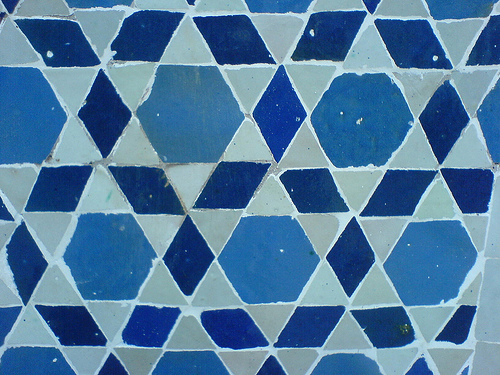
Jews Around the World
Preview
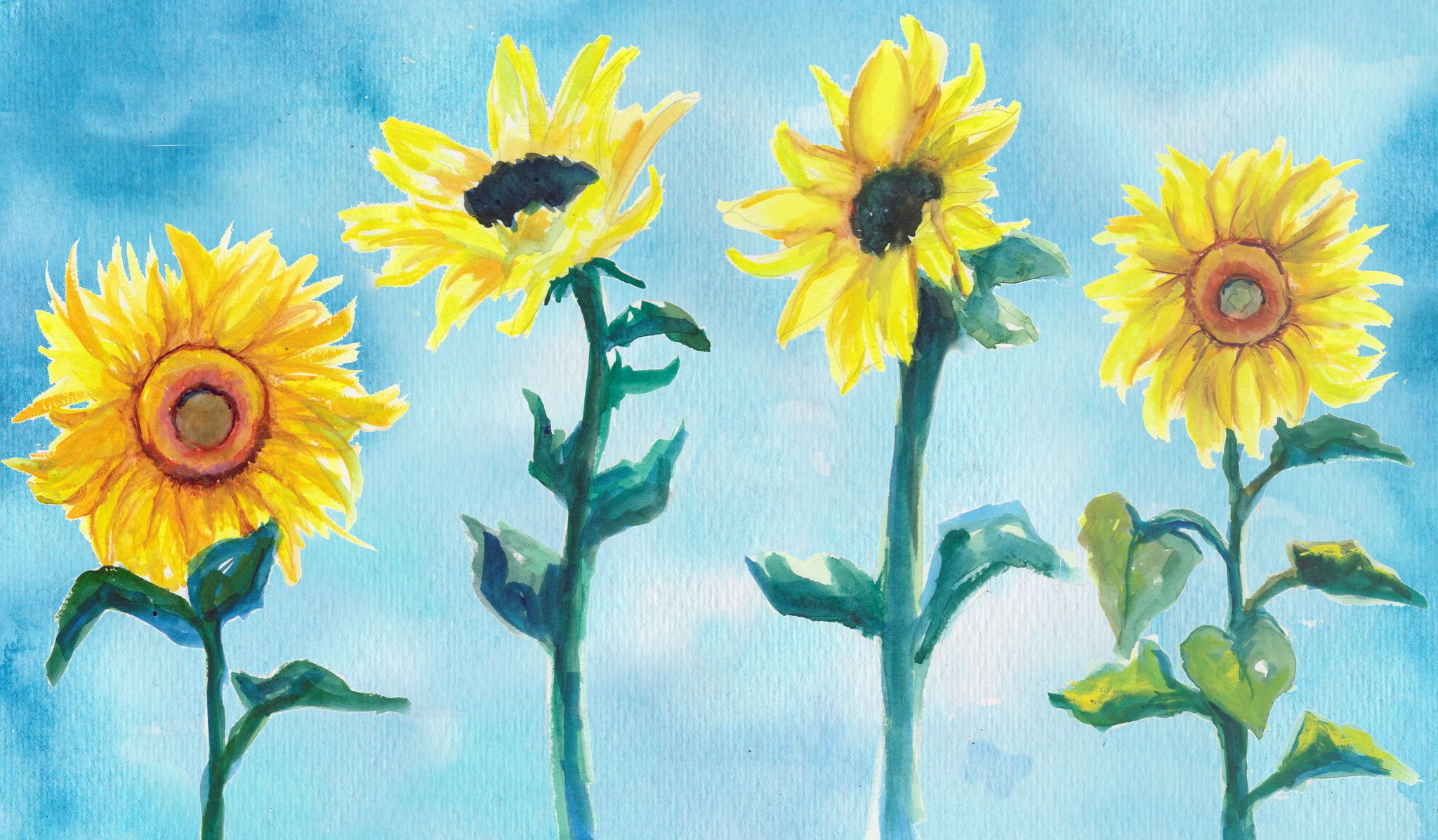
Honoring The People Of Ukraine
Preview

Four Questions around the World
Preview
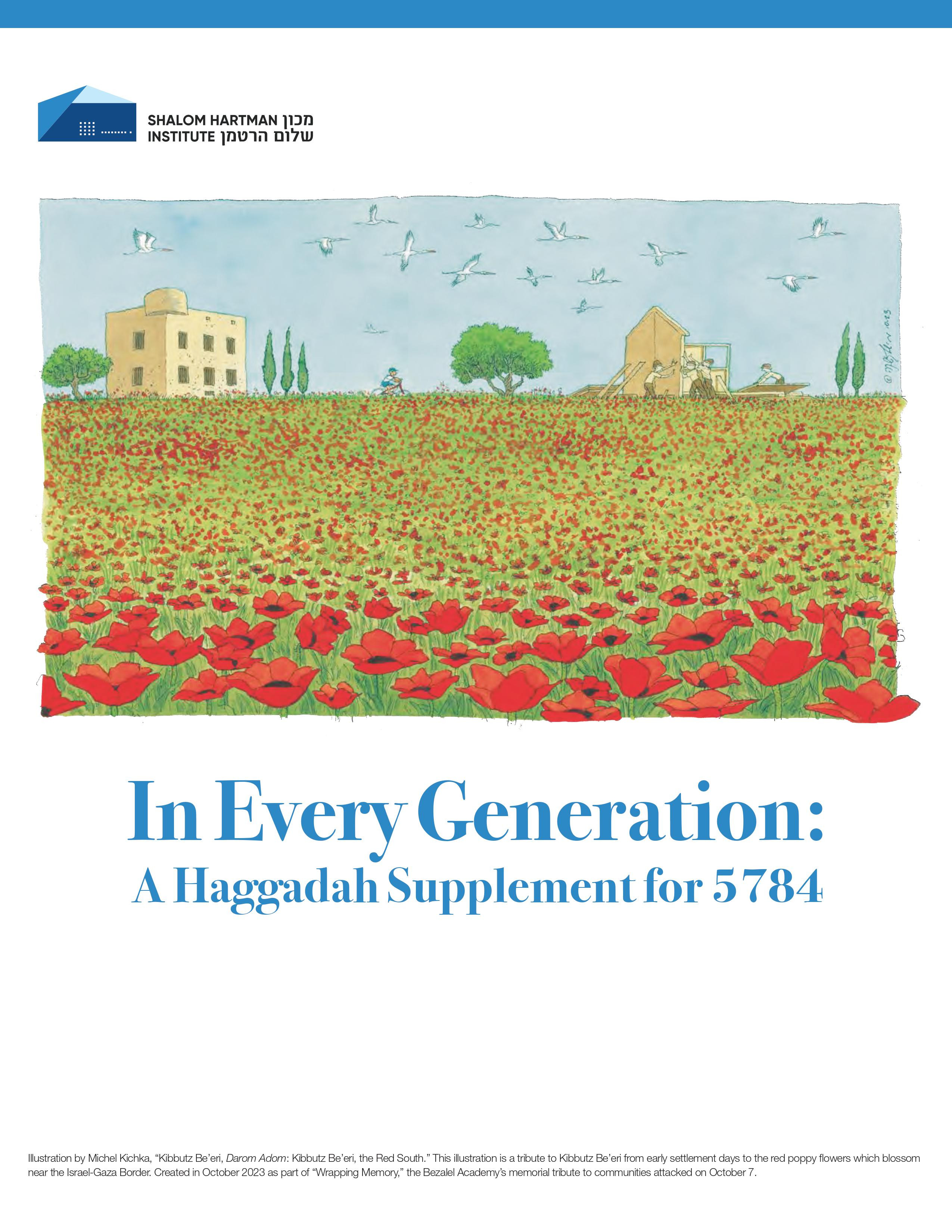
In Every Generation: A Haggadah Supplement for 5784
Preview
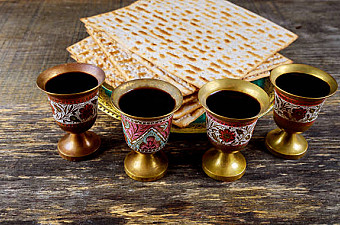
Sephardic & Mizrahi Passover & Mimouna Guide
Preview
.jpg)
showing
1-6
of
8
Page
1
of
2