Mix-and-match
Explore content in our extensive library and pull it together into your own Jewish ritual booklet that honors and recognizes whatever life has brought your way.
Share a ritual
Add your own original content as a clip to our extensive library - a poem, blessing, or something else entirely. Someone out there is looking for exactly what only you can create.
Support us
with your donation.
Help us build moments of meaning and connection through home-based Jewish rituals.
Featured ritual books

Simple Shabbat Blessings
Preview

Blessings for Lighting the Menorah
Preview
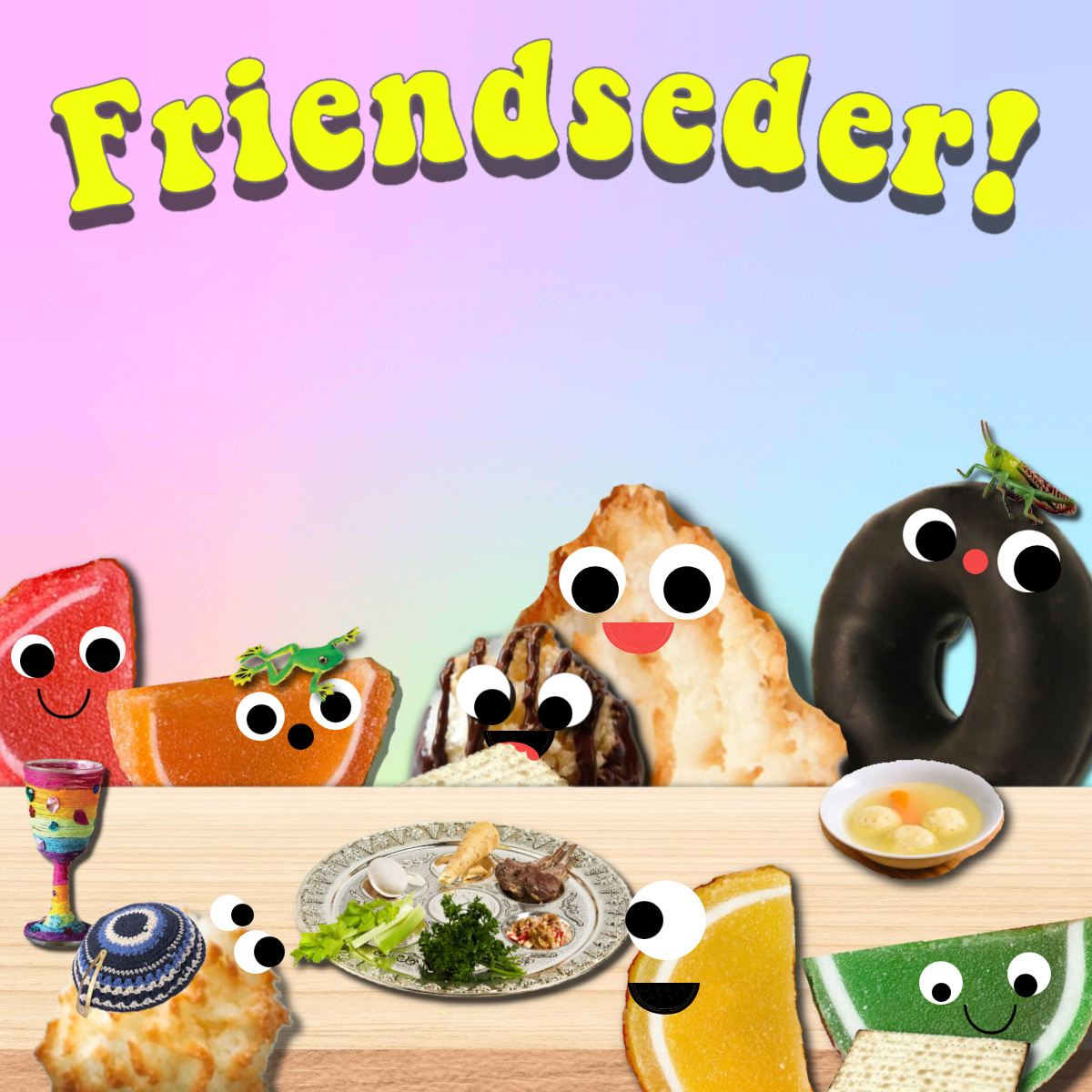
The Kibitzer Haggadah - A Virtual Seder for Covid Conscious and Caring People!
Preview
showing
1-6
of
55
Page
1
of
10
Featured clips
Researchers have begun to establish a causal link between storytelling and thriving. In 2001, psychologists Marshall Duke and Robyn Fvush compared children's psychological health with their knowledge of their own family history. They measured this knowledge on a "Do You Know?" scale. This scale turned out to be the best single predictor of children's emotional health and happiness.
The more children knew their family's history, the stronger their sense of control over their lives, the higher their self-esteem, and the more successfully they believed their families functioned.
Two months after this study was conducted, the September 11 attacks occurred. The psychologists went back and studied how the same group of children responded to that trauma. The results were the same: "The ones who knew more about their families proved to be more resilient, meaning they could moderate the effects of stress."
To explain the connection between story and resilience, the psychologists coined the term ‘intergenerational self.’ It's a sense that you're part of something bigger, that your life is an episode in a larger narrative. More than just entertain and amuse, (which they do) cross-generational stories serve another purpose.
Family stories let children know that they're not alone, and that those who came before them celebrated triumphs and overcame struggles, just as they do.
Additionally, in a study of family stories at Emory University, it was found that family stories seem to be transferred by mothers and grandmothers more often than not, and that the information was typically passed during family dinners, family vacations and family holidays. Other data indicated that these very same regular family dinners, vacations, and holiday celebrations occur more frequently in families that have high levels of cohesiveness. It is the ‘intergenerational self’ and the personal strength that is derived from it that are associated with increased resilience, better adjustment, and improved chances of good clinical and educational outcomes.
The researchers define three types of family narratives:
1. The ascending narrative: we came from nothing and now we've succeeded (rags to riches).
2. The descending narrative: we used to have it all and now we have nothing.
3. And, the most healthful narrative is called the oscillating family narrative: we've had ups and downs, and we've persevered, as a family.
This third narrative is the story of the Jewish people.
When we share stories - especially over holidays - year after year after year, we invite the next generation into the Jewish family story. Our stories are still unfolding.
Building Resilience Through Family Stories
Preview
More
In Yemenite practice, directly after the four questions are recited the youngest literate person at the table reads a brief Judeo-Arabic passage, here transcribed per the Yemenite transliteration system (wherein gimel dagesh = j and qof = g) and translated into Arabic and Hebrew. Instructional notes say this passage is “for the benefit of women and toddlers,” the two main classes of people who would have not had access to Hebrew education at the time.
Ma khəbar hādhih al-laylah min jəmīʿ al-ləyyāli?
מַא כְׄבַּר הַדִׄה ﭏַלַילַהּ מִן גְּמִיע ﭏַלְיִאַלִי?
מָה נִשְׁתַּנָּה הַלַּיְלָה הַזֶּה מִכׇּל הַלֵּילוֹת?
What tells this night from the rest of nights?
Kharju jədūdina wə-ʾābāʾina min Miṣr bayt al-ʿăbūdiyya kānu yafʿalu at-tibn fi al-libn, liman? Li-Farʿöh ar-rosho al-jomūr, alladhī rāʾsuhu sāʿ aṣ-ṣimʿūr, wə-fumuh sāʿ mināg at-tannur, wə-awrad Allah ʿăla al-Miṣriyun:
כַׄרגּוּ גְּדּוּדִּנַא וְאַבַּאיְנַא מִן מִצר בַּיתּ ﭏַעֲבּוּדִּיַה̈ כַּאנוּ יַפְעֲלוּ ﭏַתִּבּן פִי ﭏַלִבּן, לִמַן? לְפַרעֹה ﭏַרָשָׁע ﭏַגָּמוּר, ﭏַדִׄי רַאסֻה סַאע ﭏַצִמעוּר וְפֻמֻה סַאע מִנַאק ﭏַתַּנוּר, ואַורַדּ ﭏלה עֲלַי׳ ﭏַמִצְריוּן:
יָצְאוּ קַדְמוֹנֵינוּ וַאֲבוֹתֵינוּ מִמִּצְרַיִם בֵּית הַשִּׁעְבּוּד שֶׁהָיִינוּ עוֹשִׂים לְבָנִים בַּתֶּבֶן, לְמִי? לְפַרְעֹה הָרָשָׁע הַגָּמוּר, אֲשֶׁר רֹאשׁוֹ רָחָב בְּחֻצְפָּה, וּפִיהוּ רָחָב כְּמוֹ־תַּנּוּר, וַיּוֹרֶד אֱלוֹהַּ עַל הַמִּצְרִים:
Our ancestors and forefathers left Egypt the house of slaver where they were making straw into bricks, for whom? For Pharaoh the completely wicked, whose head was wide with insolence, and whose mouth was wide like an oven, and God brought down on the Egyptians:
Ad-dam, waṣ-ṣifādaʿ, wal-gaml wal-gumml, wal-wiḥūsh, wal-finā, wal-jərab, wal-bərad, wal-jərād, waḍ-ḍəlām, wə-mut al-abkār.
ﭏַדַּם, וﭏַצִפַאדִּע, ﭏַקַמל וﭏַקֻמּל, וﭏַוִחוּשׁ, וﭏַפִנַא, וﭏַגְּרַבּ, וﭏַבְּרַדּ, וﭏַגְּרַאדּ, וﭏַצְׄלַאם, וְמוּתּ ﭏַאַבּכַּאר.
הַדָּם, וְהַצְּפַרְדֵּעַ, וְהַכִּנִּים וְהַכִּנָּם, וְהֶעָרֹב, וְהַדֶּבֶר, וְהַשְּׁחִין, וְהַבָּרָד, וְהָאַרְבֶּה, וְהַחֹשֶׁךְ, וּמַכַּת הַבְּכוֹרוֹת.
The blood, and the frogs, and the lice and fleas, and the beasts, and the disease, and the scabs, and the hail, and the locusts, and the darkness, and the death of the firstborn.
Ḥatta ʿəjuz bəjuz, ʿălayhā alf laʿnah təjuz, kān maʿhā maʿbūd min ʿijnah, dəkhal al-kalb ʾăkalha wa-ṣərakht tilk al-laylah, wə-kān ṣurākh ʿăḍīm bə-Miṣr, lə-gayyem ma shə-naʾămor, ki ēn bayith ăshar ēn shom meth.
חַתַּי׳ עֲגּוּז בְּגּוּז, עֲלַיהַא אַלף לַענַהּ תְּגּוּז, כַּאן מַעהַא מַעבּוּד מִן עִגּנַהּ, דְּכַׄל ﭏַכַּלבּ אֲכַּלהַא, וַצְרַכׄתּ תִּלךּ ﭏַלַילַהּ, וְכַּאן צֻרַאךׄ עֲצִׄים בְּמִצר, לְקַיֵּם מַה שְׁנֶאֱמָר, כִּֽי־אֵ֣ין בַּ֔יִתֿ אֲשֶׁ֥ר אֵֽין־שָׁ֖ם מֵֽתֿ׃ (שמות יב:ל)
עַד שֶׁעַל הַזְּקֵנָה בְּכׇל־זְקֵנוֹת, עָלֶיהָ אֶלֶף קְלָלוֹת, אִתָּה הַפֶּסֶל נִהְיָה לְבָצֵק, וּבָא הַכֶּלֶב וַאֲכָלֻהוּ, וְהַכֹּל זַעֲקוּ הַלַּיְלָה הַהוּא, לְקַיֵּם מַה שְׁנֶאֱמָר, וַתְּהִ֛י צְעָקָ֥ה גְדֹלָ֖ה בְּמִצְרָ֑יִם כִּֽי־אֵ֣ין בַּ֔יִת אֲשֶׁ֥ר אֵֽין־שָׁ֖ם מֵֽת׃ (שמות יב:ל)
Until upon the oldest women a thousand curses were fulfilled, then her idol with her became dough, then the dog came and ate it, and all wailed that night, and thus was great wailing in Egypt, to fulfill what is said: “for there was no house without someone dead.” (Exodus 12:30)
Wə-khalaṣhum Allah biyad shədidah wədirāʿ mamdūdah w-aḥkām aḍīmah, w-ayāt wa-brāhīn ʿăla Møsha Rabenu ʿOlow hash-Sholøm, wə-hadha al-jəwāb:
וְכַׄלַצהֻם ﭏלה בִּיַד שְׁדִּידַּה̈ וְדִׄרַאע מַמדּוּדַּהּ ואַחכַּאם עֲצִׄימַהּ, ואַיַאתּ וַבְּרַאהִין עֲלַי׳ מֹשֶׁה רַבֵּנוּ עָלָיו הַשָּׁלוֹם, וְהַדַׄא ﭏַגְּוַאבּ:
וַיִּגְאָלֵנוּ אֱלוֹהַּ בְּיָד חֲזָקָה וּבִזְרוֹעַ נְטוּיָה וּבְמִשְׁפָּטִים גְּדוֹלִים וּבְאוֹתוֹת וּבְרִיאוֹת עַל מֹשֶׁה רַבֵּינוּ עָלָיו הַשָּׁלוֹם, וְזֶה הַתְּשׁוּבָה:
And God freed us with a strong hand and an outstretched arm, great judgements, signs and creations, by Moses our teacher peace be upon him, and this is the answer:
Special thanks to Isaac Gantwerk Mayer (transcription & naqdanut) and Isaac Gantwerk Mayer (translation).
Ma Khəbar Hādhih: A Yemenite Judeo Arabic Elaboration on The Four Questions
Preview
More
En traditionel Kvindebøn før Lystænding
Må det blive Din vilje, min Gud og Gud af vores forfædre og formødre at give min familie, mit samfund, og hele det jødiske folk, et godt og langt liv. Velsign os med venlighed og medfølelse og giv os tryghed i vores hjem. Må Din tilstedeværelse dvæle blandt os når vi samles her i aften. Må vi blive velsignet med visdom og kloge voksne og børn, som elsker alt der er helligt i verden, som taler sandhed og gør gode gerninger. Må dem som vi tager os af illuminere verden med jødisk visdom og gode gerninger.
Vær god at hør disse ord som jeg siger på vegne af vores formødre Sarah, Rebekah, Rakel, Leah, Bilhah og Zilpah. Må Dit lys, som er reflekteret i disse stearinlys, omgive os alle. Og lad os sige Amen.
A Traditional Women’s Prayer Before Candle Lighting
May it be Your will, my God and God of my ancestors, to grant my family, my community, and the entire Jewish people, a good and long life. Bless us with kindness and compassion and grant us safety in the places we call home. May Your Presence dwell among us as we gather here tonight. May we be blessed with wise and learned adults and children, who love all that is holy in the world, who speak the truth and do good deeds. May those we nurture light the world with Jewish wisdom and mitzvot.
Please hear these words I utter now in the name of our mothers Sarah, Rebekah, Rachel, Leah, Bilhah and Zilpah. May Your light, reflected in these candles, surround us always. And let us say, Amen. Adapted by Nurit Shein and Sue Levi Elwell from a traditional Sephardic women’s prayer.
Remember the days of old:consider the years of many generations (Deut. 32:7)
Every year, hundreds of giant sea turtles swim hundreds of miles from their homes near Brazil to a tiny island in the Atlantic Ocean in order to find their mates. For years, scientists tried to understand how the turtles could find their way every time, from so far away. It was a tiny island, and even airplanes sometimes had trouble finding it.
What do you think it was??
Once upon a time, a very, very long time ago, when the dinosaurs lived, that little island was closer to Brazil, and it used to be a short swim from where the turtles lived. It is in their memory to know where to go, even though they themselves don't remember, they have a memory together of the way that it used to be, and they heard stories from their turtle parents about that special place.
Each year, they go there together to remind themselves of the trip that their ancestors used to take.
Tonight, we are just like those turtles.
In Every Generation: A Faithful Girl's Question
Preview
More
showing
1-6
of
1213
Page
1
of
203