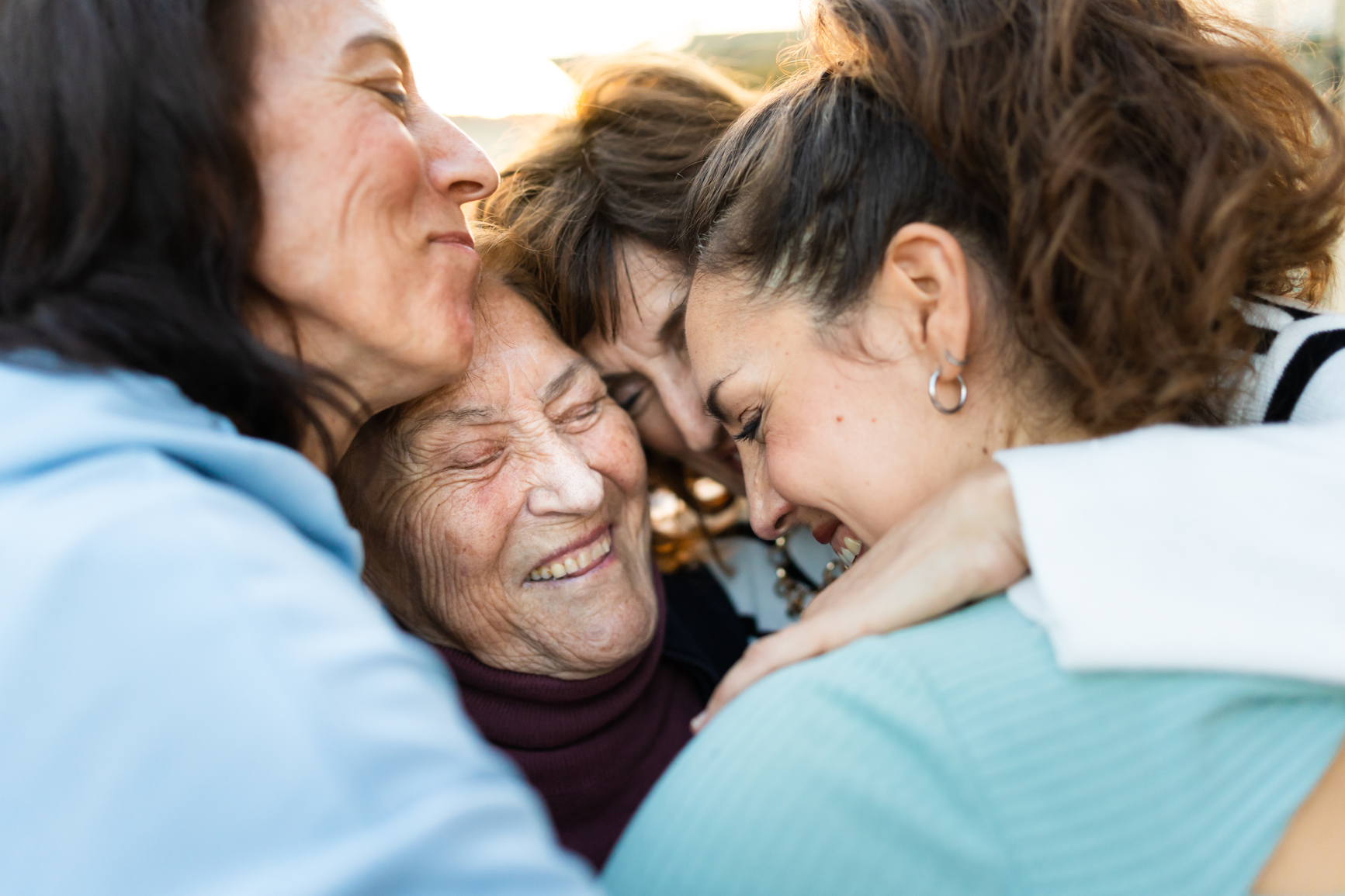
From joy to grief, beauty to struggle, the journey into parenthood is full of uncertainty. Whether you’re trying to conceive, navigating a loss, or welcoming an adopted child into your home–we’re here to support you on your journey to parenthood, however that may look.
Mix-and-match
Explore content in our extensive library and pull it together into your own Jewish ritual booklet that honors and recognizes whatever life has brought your way.
Share a ritual
Add your own original content as a clip to our extensive library - a poem, blessing, or something else entirely. Someone out there is looking for exactly what only you can create.
Support us
with your donation.
Help us build moments of meaning and connection through home-based Jewish rituals.
Featured clips
If you have a family member or loved one who is on a difficult fertility journey, this resource from Uprooted, a Jewish Response to Fertility Journeys, invites you to empathically consider how it feels to struggle month after month, to exist in the space of waiting and longing.
Research has shown that women with infertility experience high rates of anxiety and depression. Moreover, a prolonged attempt to conceive begins to impact nearly every aspect of life. Marriages can become strained, finances are often impacted, relationships with friends and family (who may be able to achieve pregnancy) become fraught with tension, and even professional life can be impacted due to frequent doctor appointments.
Infertility changes people. It threatens their perceptions of themselves, their marriage, their expectations for their future and their capacity for efficacy over their own life. Complicated emotional residue often exists in the aftermath of a difficult family-building experience.
Family-building difficulties can challenge deeply held beliefs about oneself and the world.
Additionally, couples may grapple with how much information to share with family and friends; many couples respond by closing themselves off from others. Due to the very personal nature of procreation, many people do not share their family-building challenges, which can lead to feelings of isolation. Yet, the Jewish community has an opportunity to lessen that isolation by supporting those among us who are struggling to create families. Our community can benefit from a more thoughtful, holistic approach to the topic of family building.
Can you begin to cut through deep isolation and offer support, and to learn how to do so from a place of true understanding?
Ideas to Incorporate:
Inclusivity: Infertility is isolating. Some couples who are struggling find it difficult to participate in family or social activities because it is painful to watch young, happy families celebrate holidays or attend family gatherings. Give some thought to how you can include those who feel excluded or who do not have the emotional capacity to partake in such events.
Heightening awareness: For some people, the natural life expectation of parenthood is a painful, difficult and devastating journey. Our communal response must be one of support, tolerance, inclusion and awareness. Create space for those individuals and couples who are still on their family-building journeys.
Mindfulness: All too often, we presume that creating a family is a natural, loving act. It is anguishing to be unable to participate in this essential part of life. If the topic of children arises, be mindful when interacting with people that they may be struggling with something very private and painful.
Empathic response: Consider things that you may take for granted because they align with your lived experience. You would not want to inadvertently worsen someone’s pain with an offhand comment or question. Can you widen your perspective to be more empathic?
This is only a glimpse of what a difficult fertility challenge is like. People go through it in different ways, and the tools above can help you to support people in the best way that you can.
Trying to Understand: A Glimpse into the Life of Someone a Fertility Journey
Preview
More
מִן־הַמֵּצַר קָרָאתִי יָּהּ עָנָנִי בַמֶּרְחָב יָהּ׃ יְהוָה לִי לֹא אִירָא מַה־יַּעֲשֶׂה לִי אָדָם׃
Min ha’meitzar karati ya, anani ba’merchav ya, Adonai li lo eira mah ya’aseh li adam?
From the narrow place I called out to Yah, Yah answered me from the expanse. The Eternal is mine, I have no fear; what can a human do to me?
We give thanks, Source of Life, for this baby in our hands.
We give thanks, Source of Wisdom, for the organ that in the womb sustained him/her/them.
We give thanks, Source of Light, for the breath that now maintains __
We give thanks, Source of Love, for the cord that we sever.
And we give thanks, Source of Strength, for the privilege to raise __.
We give thanks… for…
הוֹדוּ לַיהוָה כִּי־טוֹב כִּי לְעוֹלָם חַסְדּוֹ׃
Hodu l’Adonai ki tov, ki l’olam hasdo
Give thanks to the Eternal, for God is good. God’s loving-kindness is eternal!
בְּרוּכָה אַתְּ שְׁכִינָה הַטּוֹבָה וְהַמֵּטִיבָה.
Berukha at Shekhinah, hatovah vehametivah.
Blessed are You, Shekhinah, who is good and does good.
Clip source: Rabbi Sofia Zway
This five-stage ritual is based on the Kortadura de Fashadura (Ladino for cutting the swaddling clothes), a Sephardic pregnancy ritual in which the expecting parents, friends and family cut and prepare the baby’s first swaddling clothes. This ritual is intended as an experiential way for an expecting parent, and their partner, as appropriate, to process the anxieties and concerns surrounding pregnancy and to mark the significant milestones in a pregnancy.
Each of the stages identified corresponds to a different stage of the pregnancy, and in each stage, expecting parents offer a meditation/prayer before tying the tzitzit (ritual fringes) onto a corner of the tallit. There are many instructional videos on YouTube about how to tie tzitzit. Parents can also consult with their local Jewish clergy. Alternatively, parents could use a complete tallit and embroider or sew onto it at each point in the ritual that involves tying. They may also want to share with each other in their own words some of their hopes and anxieties surrounding the pregnancy. The intention behind this ritual is for the completed tallit, with all its symbolism, to be used to wrap the baby, besha‘ah tovah (at a good time), at the circumcision, welcoming or naming ceremony.
Though the instructions below are designed for couples, solo parents may choose to invite beloved friends who will play a role in the child’s life to join them in these critical moments during the pregnancy. And, couples may also want to invite their immediate family (e.g. parents, siblings) to tie some of the knots on this tzitzit.
Clip source: Rabbi Sofia Zway
To be read before preparing for immersion:
I come here today as part of my journey toward growing a family.
Along the way I have felt [ angry, betrayed, scared, lonely, sad, left out, jealous, ashamed... ]
Now, as I stand ready to immerse in mayyim hayyim, living waters, I acknowledge the disappointments of past cycles.
May I release them with compassion and may I open myself to renewed faith in the process of creation.
Source: Mayyim Hayyim
showing
1-6
of
431
Page
1
of
72
Featured ritual books
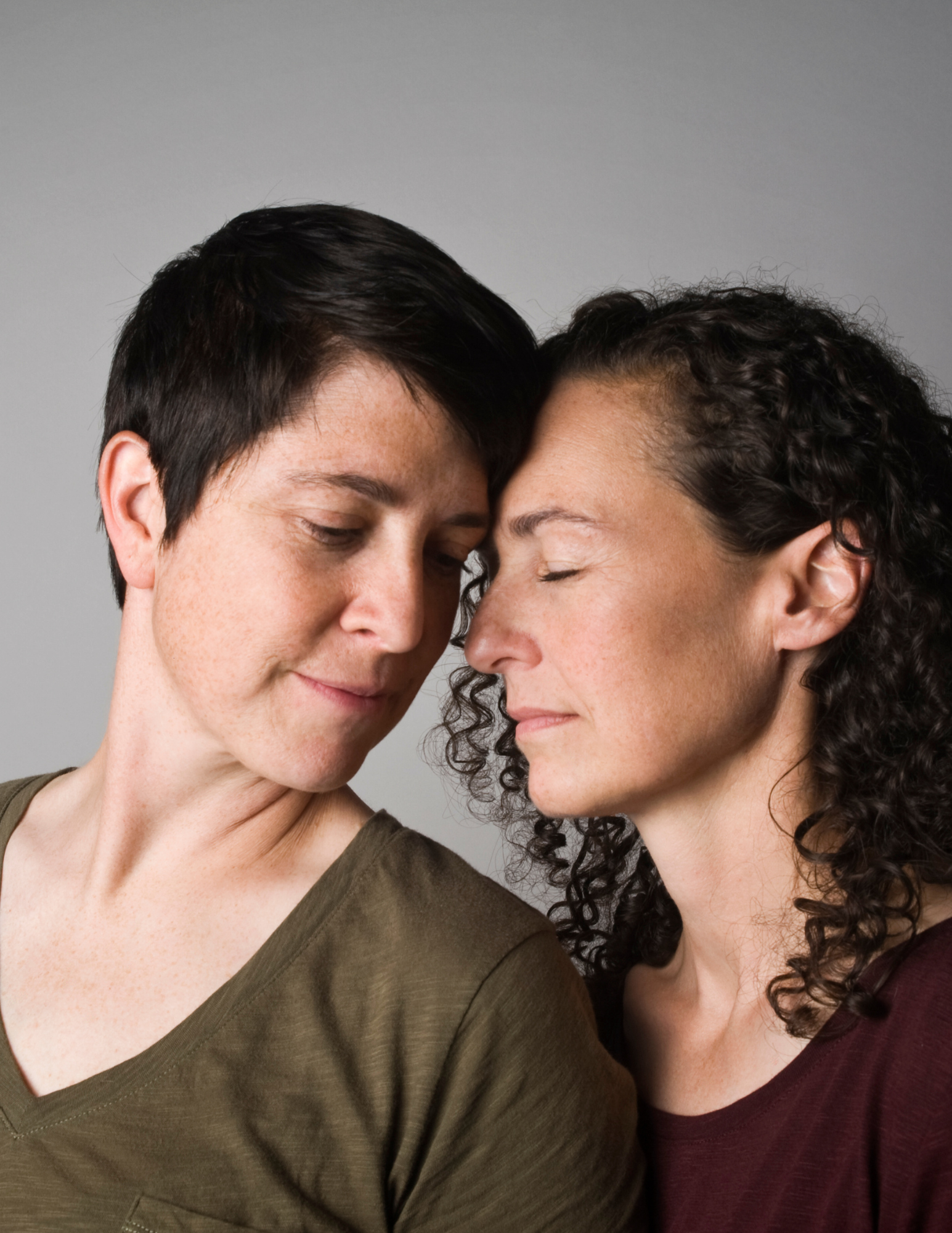
Navigating a Fertility Journey
Preview

Experiencing Shabbat During a Fertility Journey
Preview

Key Rituals for Perinatal Loss
Preview

Blessings for IUI / IVF / Family Building
Preview
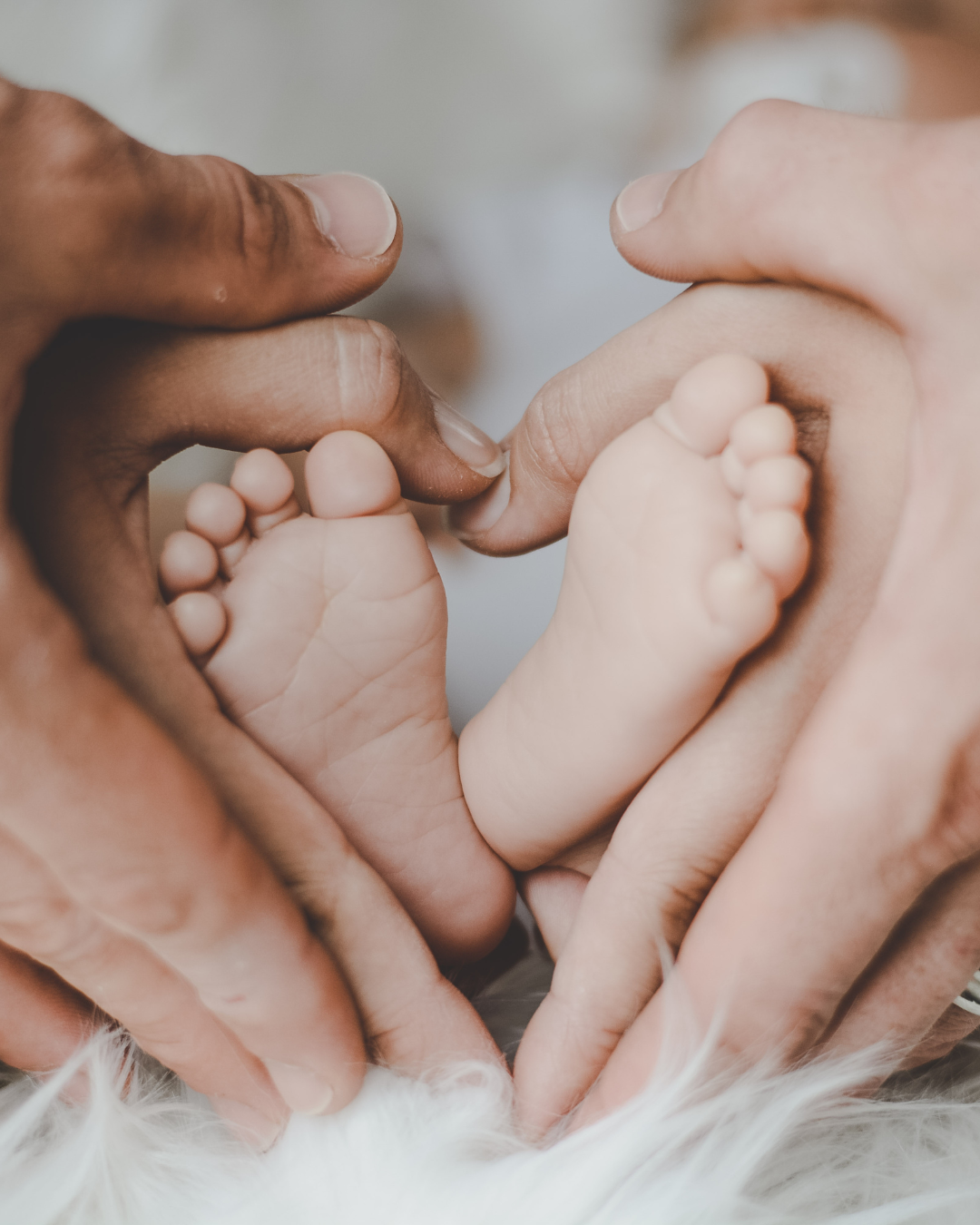
Basic Baby Naming Ceremony
Preview
showing
1-6
of
22
Page
1
of
4