Mix-and-match
Explore content in our extensive library and pull it together into your own Jewish ritual booklet that honors and recognizes whatever life has brought your way.
Share a ritual
Add your own original content as a clip to our extensive library - a poem, blessing, or something else entirely. Someone out there is looking for exactly what only you can create.
Support us
with your donation.
Help us build moments of meaning and connection through home-based Jewish rituals.
Featured clips
God, full of compassion, dwelling as uplift and within, grant perfect rest under Your sheltering Presence, among the holy and pure who shine with heavenly splendor, to the soul of our dear one who has gone to his/her/their reward. May the Garden of Eternity be his/her/their rest. Please, Power of Compassion, shade him/her/them in the shadow of Your wing forever. May his/her/their soul be bound in the bonds of eternal life. May Adonai be his/her/their inheritance, and may he/she/they rest in peace. And let us say, Amen.
Clip source: The Shomer Collective
El Maleh Rachamim
Preview
More
The Hebrew word kadosh (קָדוֹשׁ) means holy or sacred. In Judaism, holiness isn’t reserved for grand moments or perfect feelings. It can live in the quiet truth of what’s real. To call something kadosh is to recognize its sacredness, even in its imperfection.
Caregiving holds multitudes: love, grief, joy, fatigue, hope. This ritual honors them all. Each evening, take a few moments to name what you feel. Write three words in a notebook or whisper them aloud. No judgment, no need to explain, just name them: Tired. Grateful. Lonely. Hopeful. Sad. Fulfilled.
As you speak them, imagine each emotion as a small light, flickering in a vast night sky. Each one matters; none cancels the other. You are allowed to hold many truths at once. Naming your feelings is an act of kadosh, a way of making the ordinary sacred.
What You Receive: Emotional release, honesty, and self-compassion. The permission to feel fully and freely.
Kadosh (קָדוֹשׁ)
Preview
More
Mayim, or water, holds memory and renewal. It knows how to flow, how to release, how to begin again.
At the end of a long day, turn on the faucet or shower and let warm water run over your hands or body. Watch it move. As it flows, imagine it carrying away what no longer needs to stay: the fatigue, the self-doubt, the heaviness. Whisper: As these waters cleanse, may they renew me.
What You Receive: A simple, physical reset that cleanses not just the skin, but the spirit.
Mayim (מַיִם)
Preview
More
Your body holds stories that words cannot express. In Hebrew, we call the life force that moves through us nefesh, the soul within our skin, carrying memory, feeling, and spirit. It deserves time to exhale, to stretch, to remember itself.
Find a quiet space. Roll your shoulders, stretch your arms, sway gently side to side. Move without goal or structure, just let your body guide you. Imagine each movement as a prayer: gratitude, release, renewal.
Movement reconnects you to the life inside your skin. It brings you back from thinking to being.
What You Receive: Energy and ease. The understanding that your body is your home and your forever companion.
Nefesh (נֶפֶשׁ)
Preview
More
Kabbalah means “receiving,” a reminder that life and the divine constantly offer gifts, wisdom, and energy to us if we are open to receiving. Being open to receiving is as sacred as giving; it is an act of trust, humility, and connection. This ritual invites caregivers to practice that openness, letting themselves accept care as a spiritual and healing act.
Think of one way you could allow someone else to help, even in the smallest way. Accept the offered meal, the phone call, the extra time to yourself. Remind yourself that they may not do something the way you do it, but that doesn’t mean it’s wrong. Now pause and say silently: I am worthy of care. I receive this with gratitude.
The world feels gentler when you let love flow both directions.
What You Receive: The reminder that receiving is also giving: it keeps the circle of care complete.
Kabbalah (קַבָּלָה)
Preview
More
Caregiving is sacred work. It asks more of your heart, your patience, and your spirit than almost any other calling. You hold, you comfort, you anticipate, you endure. And in giving so much, it’s easy to forget that you, too, deserve tenderness and care.
This collection of rituals was created as a gentle companion for those who care for others: parents, children, partners, professionals, friends. Each ritual is a doorway back to yourself: to breathe, rest, connect, and renew. These practices draw inspiration from Jewish rhythm and spirituality, not to teach or prescribe, but to offer an ancient language for your very modern heart.
You don’t need to be religious to use them. You just need a willingness to pause. To remember that tending to your own spirit is not selfish, it’s what allows you to keep showing up with love.
Take your time with these rituals. Try one each week, or move through them as you feel called. Let them build on each other, layer by layer, until they weave a tapestry of compassion for others, and for yourself.
showing
1-6
of
329
Page
1
of
55
Featured ritual books

Navigating a Fertility Journey
Preview

Blessings for Healing & Recovery
Preview
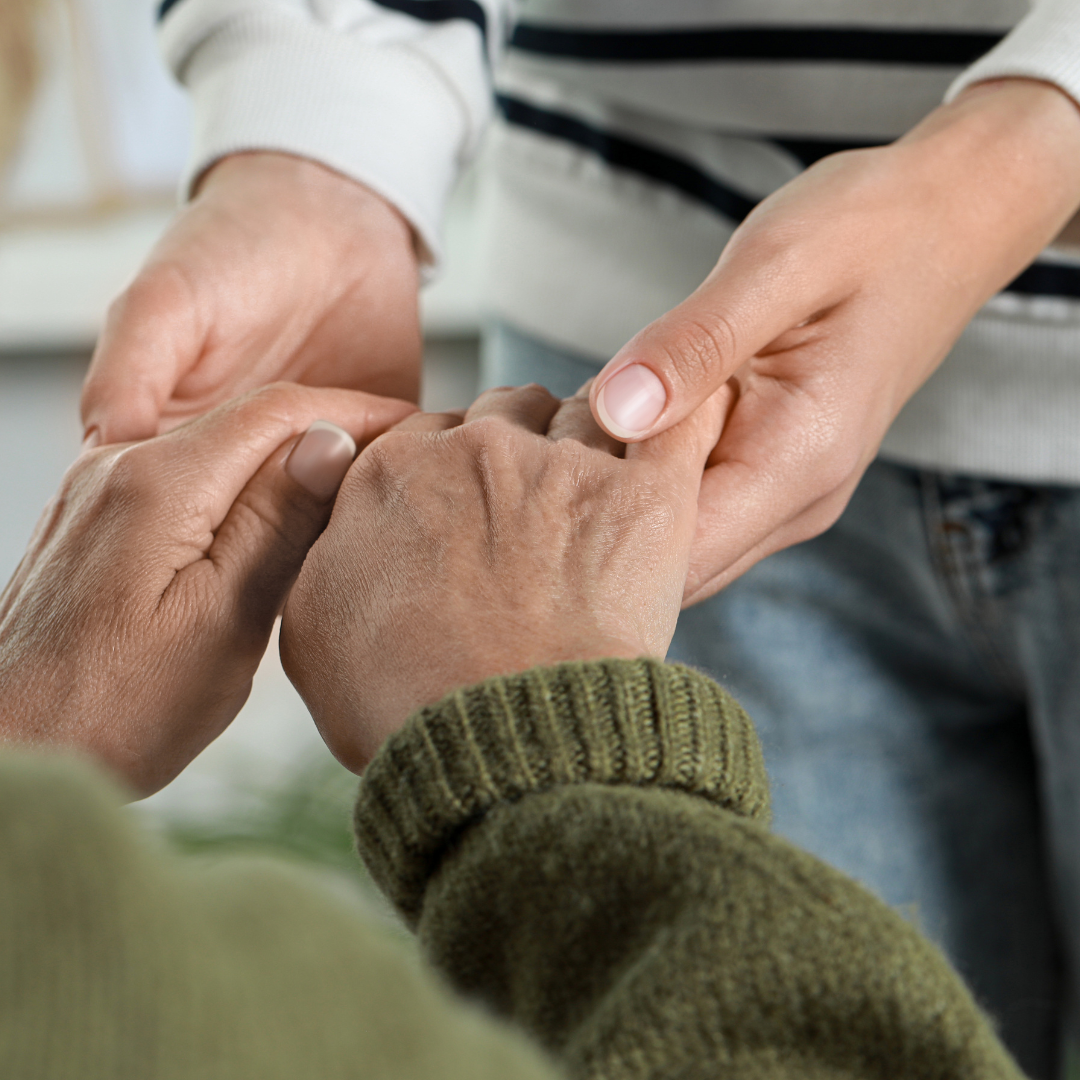
Self-Care for the Caregiver: 10 Jewish Rituals for Renewal
Preview
Mi Sheberach Shabbat Dinner
Preview

Loss and Mourning
Preview
showing
1-6
of
27
Page
1
of
5