Haggadot.com is now Recustom!
All your favorite Passover content from Haggadot.com is now here.
Explore Karpas
Mix-and-match
Explore content in our extensive library and pull it together into your own Jewish ritual booklet that honors and recognizes whatever life has brought your way.
Share a ritual
Add your own original content as a clip to our extensive library - a poem, blessing, or something else entirely. Someone out there is looking for exactly what only you can create.
Support us
with your donation.
Help us build moments of meaning and connection through home-based Jewish rituals.
Featured ritual books

showing
1-6
of
8788
Page
1
of
1465
Featured clips
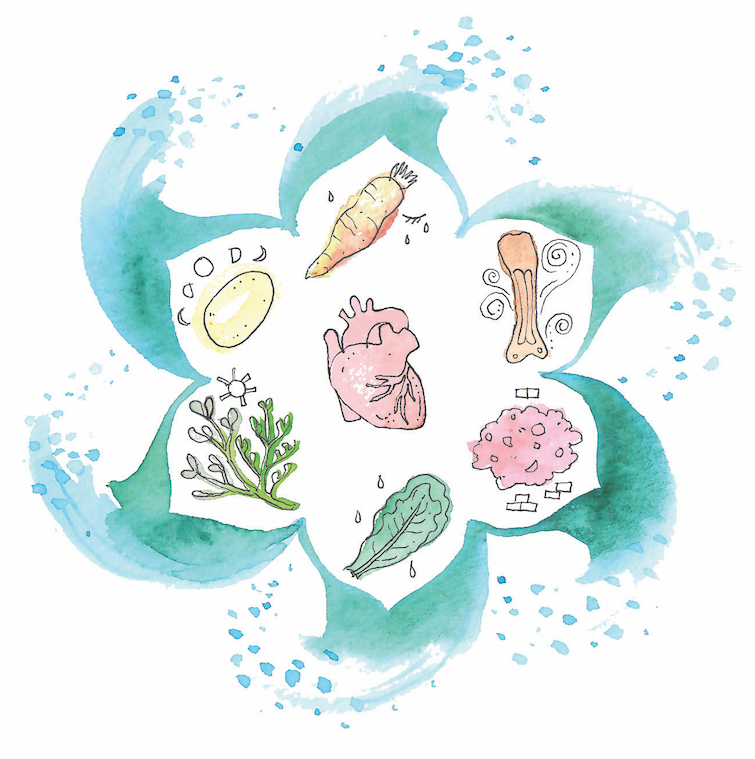
Passover, like many of our holidays, combines the celebration of an event from our Jewish memory with a recognition of the cycles of nature. As we remember the liberation from Egypt, we also recognize the stirrings of spring and rebirth happening in the world around us. The symbols on our table bring together elements of both kinds of celebration.
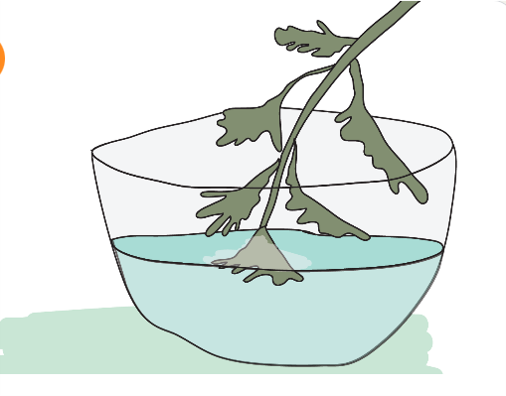
Before we eat it, we take the parsley and dip it into the salt water. This is the story of Passover in a simple gesture. The parsley is the promise of something new and meaningful. The salt water is what it cost to get there. We can't have one without the other.
(Dip the parsley in the salt water. Say the blessing.)
בָּרוּךְ אַתָּה יְיָ, אֱלֹהֵינוּ מֶלֶךְ הָעוֹלָם, בּוֹרֵא פְּרִי הָאֲדָמָה
Baruch Atah Adonai, Eloheinu Melech ha-olam, borei p’ree ha-adama.
Blessed are You, Lord our God, Ruler of the universe, who creates the fruit of the earth.
(Eat the parsley.)
Most of us know what it is to work hard for something that matters — to find that the sweetness and the struggle arrived together. That is not just the Exodus story. It is what makes any story worth telling.
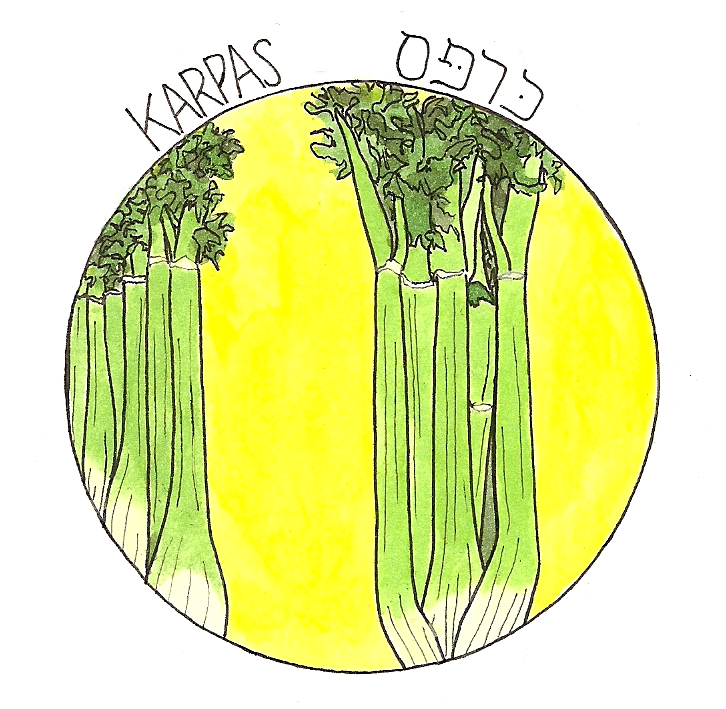
Dipping the Vegetable in Salt Water - Karpas - כַּרְפַּס
Preview
More
Passover combines the celebration of an event from Jewish memory with a recognition of the cycles of nature. As we remember the liberation from Egypt, we also recognize the stirrings of spring and rebirth happening in the world around us. The symbols on our table bring together elements of both kinds of celebration.
We now take a vegetable, in this case parsely, to represent our joy at the dawning of spring after our long, cold winter. Whatever symbol of spring and sustenance we’re using, we now dip it into salt water, a symbol of the tears our ancestors shed as slaves. Before we eat it, we recite a short blessing:
בָּרוּךְ אַתָּה יְיָ, אֱלֹהֵינוּ מֶלֶךְ הָעוֹלָם, בּוֹרֵא פְּרִי הָאֲדָמָה
Baruch Atah Adonai, Eloheinu Melech ha-olam, borei p’ree ha-adama.
We praise God, Ruler of Everything, who creates the fruits of the earth.
We look forward to spring and the reawakening of flowers and greenery. They haven’t been lost, just buried beneath the snow, getting ready for reappearance just when we most needed them.
We all have aspects of ourselves that sometimes get buried under the stresses of our busy lives. What has this winter taught us? What elements of our own lives do we hope to revive this spring?
showing
1-6
of
67859
Page
1
of
11310