Slowly descend the steps into the mikveh waters and immerse completely so that every part of your body is covered by the water. When you emerge, recite the following blessing:
ברוך אתה יי אלהינו מלך העולם Baruch atah Adonai Eloheinu Melech ha’olam
אשר קדשנו בטבילה במים חיים asher kidshanu bi-t’vilah b’mayyim hayyim.
Blessed are You, God, Majestic Spirit of the Universe
who makes us holy by embracing us in living waters. (1)
Clip source: Mayyim Hayyim
To be read before you immerse:
As I welcome my child, I pray for strength, patience, and resilience. May the One who blessed those who came before me, guide me. May I be a role model, an active parent, and a source of encouragement.
I pray that in difficult times I have the strength to ask for help, and that in good times I have the wherewithal to appreciate the joys and blessings of my life.
May I know all the happiness and contentment that comes with watching a child grow and flourish.
Relax and let your body soften, as you slowly and completely immerse for the third time:
Baruch atah, Adonai Eloheinu, Melech ha’olam shehecheyanu, v’kiy’manu, v’higianu la’zman hazeh.
Blessed are You, Eternal God, for giving me life, sustaining me, and, through one miracle after another, bringing me to this moment.
Source: Mayyim Hayyim, Interpretive English translation by Matia Rania Angelou, Deborah Issokson, and Judith D. Kummer
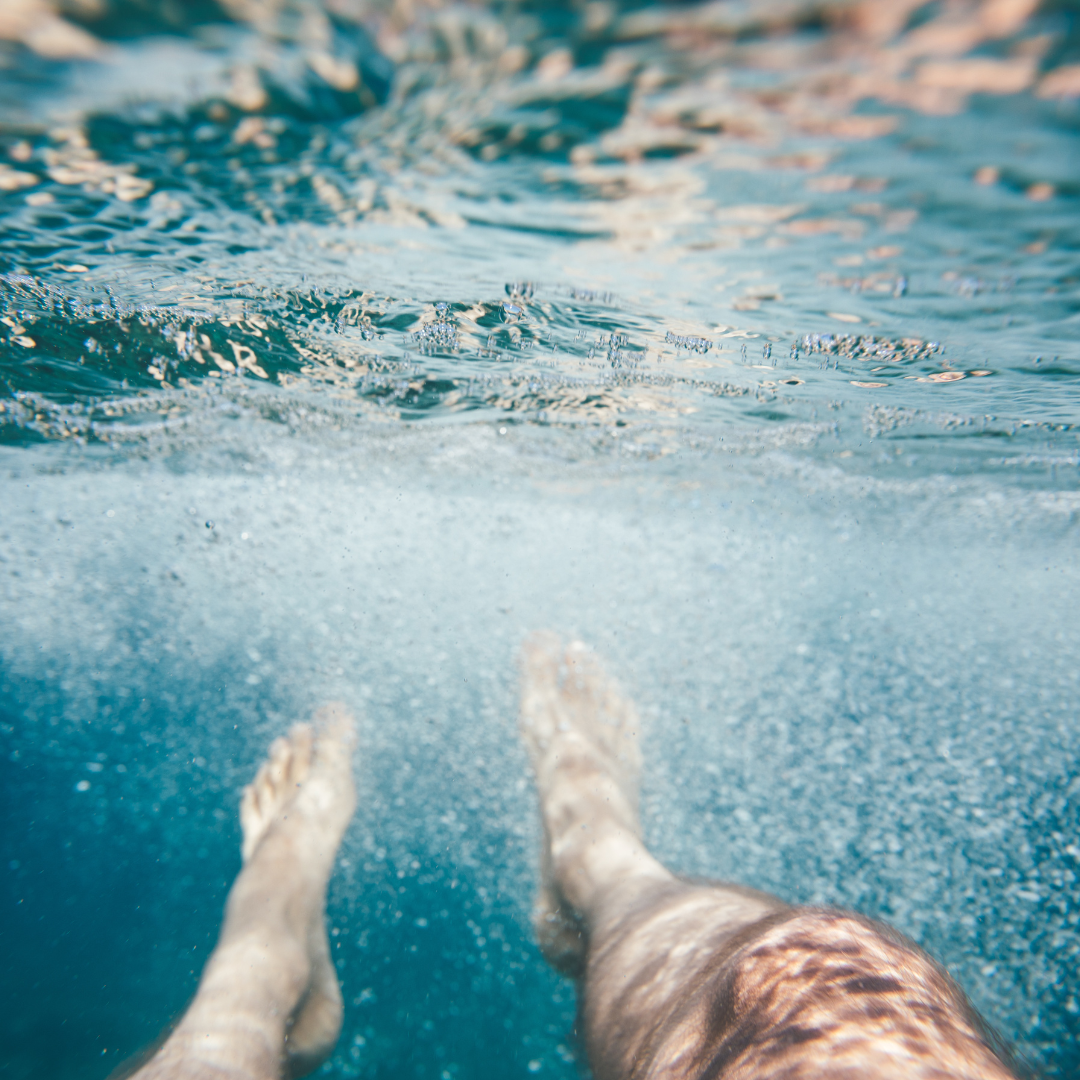
The formal ritual is simple and brief. Once in the water, the person ducks under to fully submerge for a moment, then recites a short blessing (Mayyim Hayyim provides traditional and creative texts). The person then immerses one or two more times, according to their custom, recites a blessing, and leaves the water.
The mission of the Rising Tide Open Waters Mikveh Network, an initiative of Mayyim Hayyim, is to inspire, strengthen and support communities that embrace an open, inclusive and welcoming approach to ritual immersion as a way to mark life transitions.
We believe that providing for the spiritual needs of the entire spectrum of Jewish people will help create a more vibrant, welcoming, and inclusive community for everyone.
Our goal is to foster a network so comprehensive that no one will have to travel far to access a Rising Tide mikveh experience. Find a local mikveh at: https://risingtideopenwaters.org/members/
Where can I find a community mikveh near me?
Preview
More
This ceremony was created by Matia Rania Angelou, Deborah Issokson, and Judith D. Kummer for Mayyim Hayyim Living Waters, and adapted by Matia Rania Angelou and Erika Sabbath.
(1) Created by Mayyim Hayyim Ritual Creation Team, 2004
(2) Falk, Marcia. The Book of Blessings: New Jewish Prayers for Daily
Life, the Sabbath, and the New Moon Festival. [San Francisco,
Calif.]: HarperSanFrancisco, 1996, p. 13. Excerpted. Copyright
© 1996 by Marcia Lee Falk
(3) Ibid, p. 12. Excerpted
(4) Tiferet Siegel, Hanna. “Birkat HaGomel.” Excerpted
(5) To learn more about Mayyim Hayyim visit: https://www.mayyimhayyim.org/ and to learn more about Recustom visit: https://www.recustom.com
As I leave these healing waters, I look at my body and see the ways it has been transformed by this act of creation. I pray to be guided safely through the passage of labor and birth and that my baby will arrive with strength and vigor. May the wisdom I have gained through this pregnancy guide me as I open to the possibility of all that is yet to come.
Clip source: Mayyim Hayyim
Slowly descend the steps into the mikveh waters and immerse completely so that every part of your body is covered by the water. When you emerge, recite the following blessing:
ברוך אתה יי אלהינו מלך העולם Baruch atah Adonai Eloheinu Melech ha’olam
אשר קדשנו בטבילה במים חיים asher kidshanu bi-t’vilah b’mayyim hayyim.
Blessed are You, God, Majestic Spirit of the Universe
who makes us holy by embracing us in living waters. (1)
Clip source: Mayyim Hayyim
To be read before you immerse:
As I welcome my child, I pray for strength, patience, and resilience. May the One who blessed those who came before me, guide me. May I be a role model, an active parent, and a source of encouragement.
I pray that in difficult times I have the strength to ask for help, and that in good times I have the wherewithal to appreciate the joys and blessings of my life.
May I know all the happiness and contentment that comes with watching a child grow and flourish.
Relax and let your body soften, as you slowly and completely immerse for the third time:
Baruch atah, Adonai Eloheinu, Melech ha’olam shehecheyanu, v’kiy’manu, v’higianu la’zman hazeh.
Blessed are You, Eternal God, for giving me life, sustaining me, and, through one miracle after another, bringing me to this moment.
Source: Mayyim Hayyim, Interpretive English translation by Matia Rania Angelou, Deborah Issokson, and Judith D. Kummer
The formal ritual is simple and brief. Once in the water, the person ducks under to fully submerge for a moment, then recites a short blessing (Mayyim Hayyim provides traditional and creative texts). The person then immerses one or two more times, according to their custom, recites a blessing, and leaves the water.
The mission of the Rising Tide Open Waters Mikveh Network, an initiative of Mayyim Hayyim, is to inspire, strengthen and support communities that embrace an open, inclusive and welcoming approach to ritual immersion as a way to mark life transitions.
We believe that providing for the spiritual needs of the entire spectrum of Jewish people will help create a more vibrant, welcoming, and inclusive community for everyone.
Our goal is to foster a network so comprehensive that no one will have to travel far to access a Rising Tide mikveh experience. Find a local mikveh at: https://risingtideopenwaters.org/members/
Where can I find a community mikveh near me?
Preview
More
This ceremony was created by Matia Rania Angelou, Deborah Issokson, and Judith D. Kummer for Mayyim Hayyim Living Waters, and adapted by Matia Rania Angelou and Erika Sabbath.
(1) Created by Mayyim Hayyim Ritual Creation Team, 2004
(2) Falk, Marcia. The Book of Blessings: New Jewish Prayers for Daily
Life, the Sabbath, and the New Moon Festival. [San Francisco,
Calif.]: HarperSanFrancisco, 1996, p. 13. Excerpted. Copyright
© 1996 by Marcia Lee Falk
(3) Ibid, p. 12. Excerpted
(4) Tiferet Siegel, Hanna. “Birkat HaGomel.” Excerpted
(5) To learn more about Mayyim Hayyim visit: https://www.mayyimhayyim.org/ and to learn more about Recustom visit: https://www.recustom.com
As I leave these healing waters, I look at my body and see the ways it has been transformed by this act of creation. I pray to be guided safely through the passage of labor and birth and that my baby will arrive with strength and vigor. May the wisdom I have gained through this pregnancy guide me as I open to the possibility of all that is yet to come.
Clip source: Mayyim Hayyim
showing
1-6
of
21
Page
1
of
4

Pregnancy After Pregnancy Loss
Preview
Marking a Birthing Day - An Immersion Ceremony For A Parent In Honor of Their Child
Preview
Healing After Receiving Difficult News
Preview
For Those on a Fertility Journey - An Immersion Ceremony
Preview
Marking a Birthing Day - An Immersion Ceremony for Those Who Have Birthed A Child
Preview
Exploring Mikveh as a Spiritual Practice
Preview