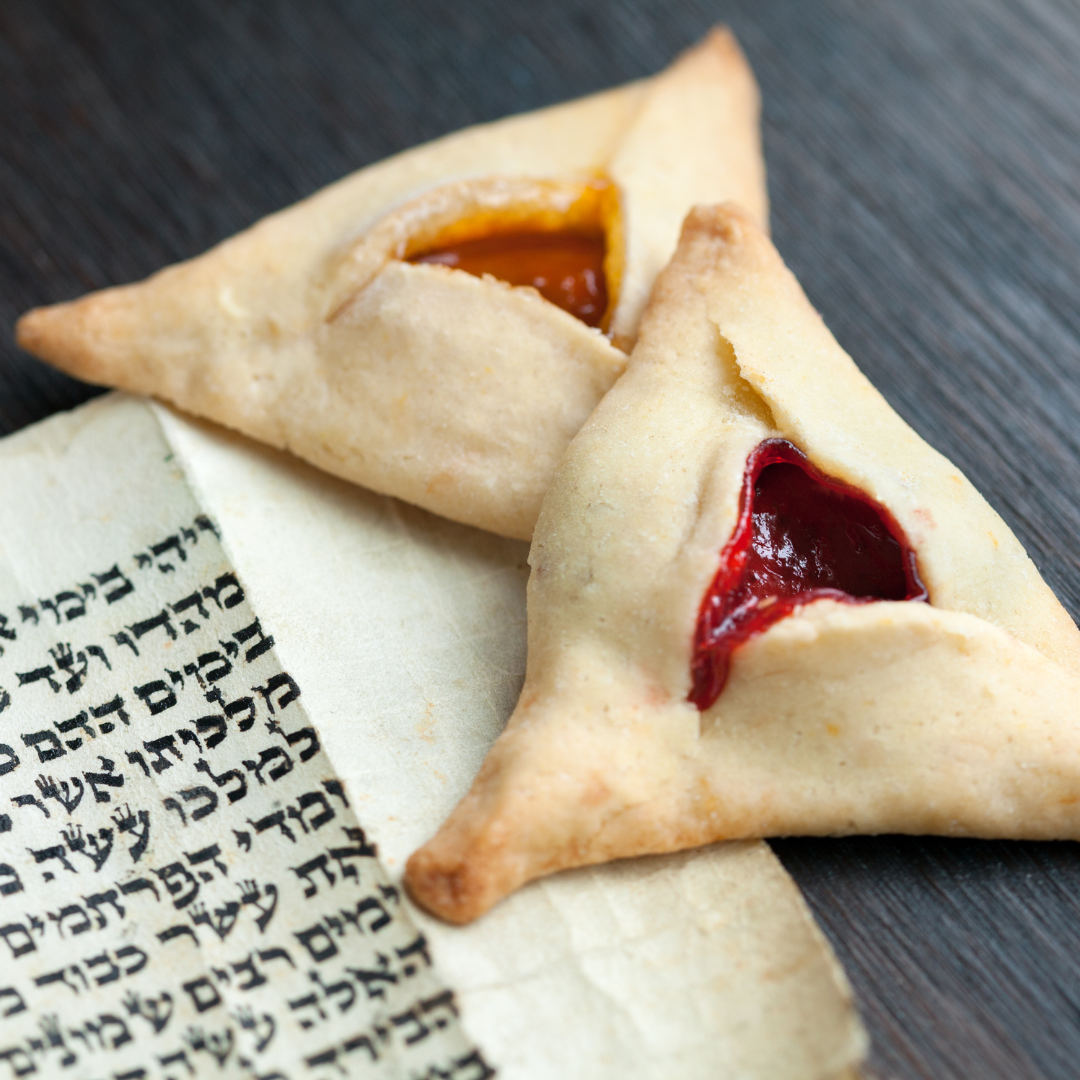
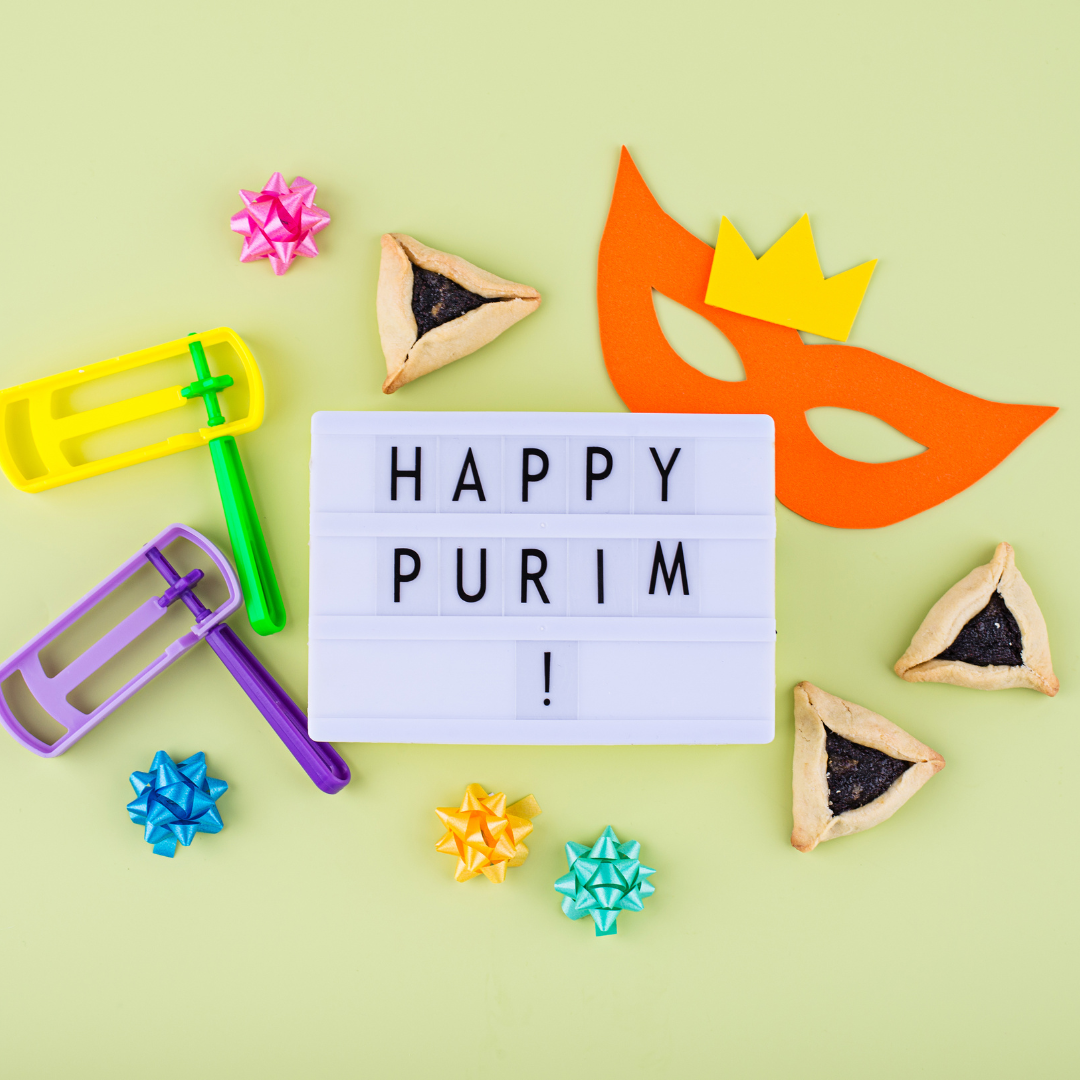
Purim is a Jewish holiday that commemorates the saving of the Jewish people from annihilation at the hands of an official of the Achaemenid Empire named Haman, as it is recounted in the Book of Esther. Haman was the royal vizier to the Persian king Ahasuerus
Mix-and-match
Explore content in our extensive library and pull it together into your own Jewish ritual booklet that honors and recognizes whatever life has brought your way.
Share a ritual
Add your own original content as a clip to our extensive library - a poem, blessing, or something else entirely. Someone out there is looking for exactly what only you can create.
Support us
with your donation.
Help us build moments of meaning and connection through home-based Jewish rituals.
Featured clips
Welcome to our Purim Feast! It is likely that the banquets of the Shushan were more debaucherous and formless parties, less like the Roman symposia our seders are based on. Nonetheless, join us as we wander through the Purim story through the steps of the seder.
Tonight is also Shabbat, so first we must light our festive candles.
בָּרוּךְ אַתָּה, יְיָ אֱלֹהֵינוּ, מֶלֶךְ הָעוֹלָם, אֲשֶׁר קִדְּשָׁנוּ בְּמִצְוֹתָיו, וְצִוָּנוּ לְהַדְלִיק נֵר שֶׁל שַׁבָּת.
Blessed are You, Eternal our God, Sovereign of time and space. You hallow us with Your mitzvot and command us to kindle the lights of Shabbat.
As with many Jewish celebrations, from holidays to weddings, we begin with wine as a symbol of our joy. On Purim, we are commanded (by the Rabbis, not by Torah) to drink as a practical way to increase that joy, and to aid ourselves in the obfuscation of truth that is at the center of the Purim story. It is suggested we drink until we cannot tell the difference between "Blessed is Mordecai" and "Cursed be Haman." Our seder tonight starts with the blessing over wine or juice, and I recommend topping yourself off at the start of each chapter of the megillah so that your cup never empties (but please make safe choices for your body!).
בָּרוּךְ אַתָּה יְיָ, אֱלֹהֵינוּ מֶלֶךְ הָעוֹלָם, בּוֹרֵא פְּרִי הַגָּפֶן
Baruch Atah Adonai, Eloheinu Melech ha-olam, borei p’ree hagafen.
We praise God, Ruler of Everything, who creates the fruit of the vine.
We praise God, Ruler of Everything, who chose us from all peoples and languages, and sanctified us with commandments, and lovingly gave to us special times for happiness, holidays and this time of celebrating this Holiday of Freedom from the Wicked Haman, a time of libation, safety, reading our sacred stories, and remembering the joy of the triumphant Jews of Ancient Persia. For you chose us and sanctified us among all peoples. We praise God, who sanctifies the people of Israel and the holidays.
בָּרוּךְ אַתָּה יְיָ, אֱלֹהֵינוּ מֶלֶךְ הָעוֹלָם שֶׁהֶחֱיָנוּ וְקִיְּמָנוּ וְהִגִּיעָנוּ לַזְּמַן הַזֶּה
Baruch Atah Adonai, Eloheinu Melech ha-olam, she-hechiyanu v’key’manu v’higiyanu lazman hazeh.
We praise God, Ruler of Everything, who has kept us alive, raised us up, and brought us to this happy moment.
Drink the first glass of wine!
Nice to see you, how’ve you been
You have shown me incredible things
Magic, marriage, bacon, sin
We are here and I thought
(Oh my God, look at my face
This could be my last mistake)
There’s some stuff I need to saaaaaay
New harem, dress and crown
I can tell you it is like a dream
Ain’t it funny, rumors fly
And they said some stuff about me
So hey, it might be true
I’m dying to share what I’ve been through
Need a passport if I flee
Because there are bad guys who want to kill me
And it’s going to be forever
We’re going to go down in flames
The Jewish story can’t be over
So I’ll tell you who’s to blame
He’s got a lot of executions
And that list has my name
Cause you know I am a Jewess
And you love a Jew
Cause we’re Jews and we’re chosen
He takes this way to far
And he’ll leave us broken
And you with a nasty scar
He’s got a lot of executions
And that list has my name
And hate’s got a new face baby
His name is Haman
Every day
Haman tries
to make people not quite as they seem
Stolen kittens, petty lies
You’re the king baby I’m your queen
Hear now what I say
Haman is coming our way
Wait you’ve got to save the day
Oy Vey
Screaming, crying, not just me
Can’t we make all the tables turn
You signed you have sworn
Aren’t you second guessing like
Oh my God who is he
to kill a whole race of me
And you just can’t let that be
Cause darling, he’s a nightmare who hates minorities
And it’s going to be forever
We’re going to go down in flames
The Jewish story can’t be over
So I’ll tell you who’s to blame
He’s got a lot of executions
And that list has my name
Cause you know I am a Jewess
And you love a Jew
Cause we’re Jews and we’re chosen
He takes this way to far
And he’ll leave us broken
And you with a nasty scar
He’s got a lot of executions
And that list has my name
And hate’s got a new face baby
His name is Haman
Haman wants to kill Jews just for torture
Don’t say I didn’t say, I didn’t warn ya
Haman wants to kill Jews just for torture
Don’t say I didn’t say, I didn’t warn ya
And it’s going to be forever
We’re going to go down in flames
The Jewish story can’t be over
So I’ll tell you who’s to blame
He’s got a lot of executions
And that list has my name
Cause you know I am a Jewess
And you love a Jew
Cause we’re Jews and we’re chosen
He takes this way to far
And he’ll leave us broken
And you with a nasty scar
He’s got a lot of executions
And that list has my name
And hate’s got a new face baby
His name is Haman
At this point in our story, I hope you are as agitated as the King - on the edge of your seat wondering what will happen next, or least wondering when the food will be served. Let the excitement of this evening keep you awake just like our poor insomniac king.
We have a couple more blessings and ideas before we dive full-on into our meal, but we are ready to say motzi and enjoy some more nibbles. Tonight, as on every Shabbat, our bread is dressed in finery. We keep it covered in a special cloth that distinguishes this festive bread from our typical sandwich bread wrapped in plastic. In this chapter of the Megillah, the king lends his clothes to Mordecai for his celebratory moment. In the previous chapter, we read that Esther puts on her queenery before she goes before the king to plead for the Jews of Persia. The plain meaning may mean she wears her robes and crown that are distinct for the queen, but a midrash suggests she was covered in a divine majesty supporting her important mission.
What are the trappings of celebration you don when you want to feel festive? The comfort items you need to feel around your body when you need to feel safe or supported? How can tactile items soothe the intangible needs of our souls? Reach out and touch a piece of fabric on the table and feel connected to this physical plane as we sing our prayer:
בָּרוּךְ אַתָּה ה׳ אֱלֹהֵינוּ מֶלֶךְ הָעוֹלָם הַמּוֹצִיא לֶחֶם מִן הָאָרֶץ
Baruch ata Adonai Eloheinu melech ha’olam hamotzi lechem min ha’aretz .
Blessed are you, Lord our God, ruler of the universe who brings forth bread from the earth.
showing
1-6
of
497
Page
1
of
83
Featured ritual books

Purim Mask Coloring Pages
Preview
showing
1-6
of
89
Page
1
of
15